
Treatment
OCD Treatment
Written by: Midtown Recovery Center Editorial TeamPublished: September 23, 2026Updated: October 27, 2026
Understanding OCD
Having OCD isn’t simply being clean, organized, or a perfectionist. It can be serious and debilitating. In fact, it’s one of the leading causes of illness-related disability worldwide.
Although it’s no longer classified as an anxiety disorder, it often co-occurs with anxiety. Today, OCD sits in its own category along with these related disorders:
- Body-focused repetitive behaviors (e.g., hair pulling, skin picking, nail biting)
- Body dysmorphic disorder (obsessions on perceived flaws or defects in one’s appearance)
- Hoarding disorder
- Olfactory reference disorder (a false belief that you have a strong body odor)
Why it happens
No, it isn’t your fault. Genetics, family history, and neurobiology (dysfunction or hyperactivity in certain brain circuits) can predispose you to OCD. Symptoms may surface in childhood, adolescence, or adulthood, often triggered by stress, trauma, and major life changes.
Almost everyone gets strange, random, or unwanted thoughts now and then. The difference with OCD is that your brain registers them as urgent threats. When those alarm bells sound, you feel compelled to perform specific behaviors or mental routines to make the anxiety go away.

How dependence develops
Obsessions are unwanted thoughts, images, urges, or fears that keep triggering high anxiety. Compulsions are the actions or mental habits you feel forced to do to ease that anxiety.
You believe the threat was real and that the behavior kept you safe. However, the relief never lasts, and the OCD cycle continues.
Who needs OCD treatment
You need professional help if:
- Obsessions or compulsions consume an hour or more of your day.
- You avoid people, places, or tasks because of obsessive fears.
- You know a behavior is unreasonable or excessive but feel unable to stop it.
- You’ve tried to stop your rituals on your own but could not.
- Your symptoms are interfering with work, school, or relationships.
- Your anxiety is getting worse.
Many patients with mild to moderate forms of OCD improve with outpatient treatment. Midtown Recovery Center offers different program levels depending on the severity of your symptoms: partial hospitalization (PHP), intensive outpatient (IOP), and standard outpatient (OP).
Is this treatment for you
This program is for adults whose OCD has outgrown what they can manage alone. You may have read every article, worked through a self-help book, or seen a general therapist who did not use ERP, and the rituals still run your day. You might also be living with depression, anxiety, or substance use alongside OCD. Co-occurring conditions are common, and we treat them together rather than one at a time.
It’s a good fit if you can safely live at home, get to our Kansas City location for sessions, and commit to practicing exposures between visits. Program level follows severity:
- PHP when obsessions and compulsions fill most of your waking hours and weekly therapy hasn’t been enough.
- IOP when symptoms are significant but you can still handle some work, school, or family duties.
- OP when your symptoms are milder, or you’re stepping down after a more intensive program and need structured follow-up.
Outpatient care may not be enough on its own if you’re having thoughts of suicide, can’t keep yourself safe, or need round-the-clock medical supervision. In that case, a higher level of care comes first, and we can help you find it before you step down to us.
If your symptoms are mild and well controlled, weekly ERP with an outpatient therapist may be all you need. The initial assessment will tell you honestly where you fall.
Signs of OCD
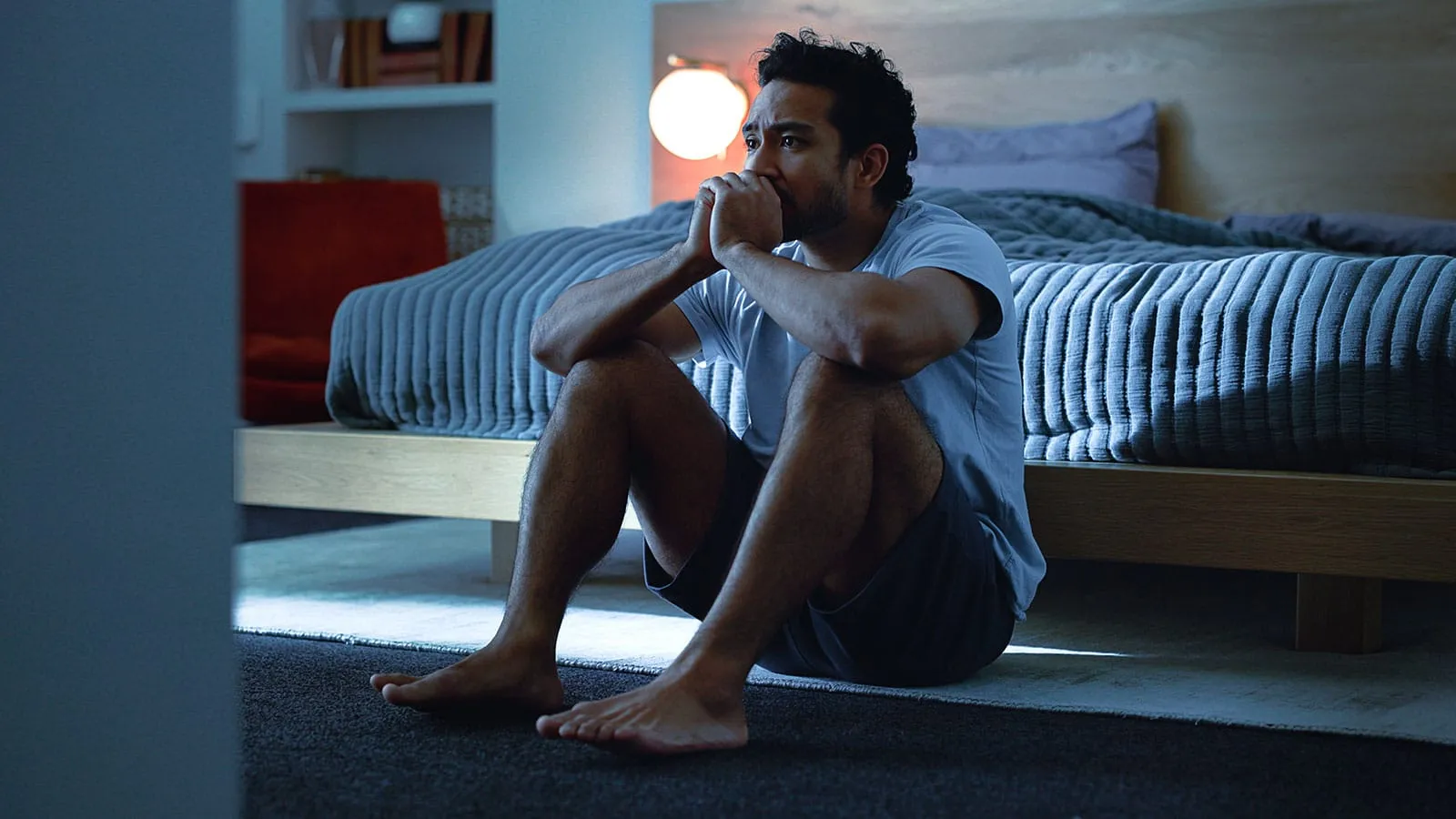
Obsessions carry these common themes:
- Contamination: Intense fear of dirt, germs, or illness
- Harm: Upsetting thoughts about hurting someone or causing a catastrophe
- Symmetry, order, or exactness: A strong need for things to be even, lined up, or “just right”
- Perfectionism: Extreme worry that something isn’t perfect or complete
- Scrupulosity: Fixations on sin, guilt, or morality
- Identity or relationships: Persistent doubts about your sexuality, gender, or feelings for your partner
- Taboo: Dark thoughts or urges that contradict who you are or what you want, with no desire to act on them
Compulsions include:
- Excessive handwashing, showering, or cleaning
- Repeated checking of locks, stoves, and appliances
- Counting or doing something a set number of times (e.g., knocking three times)
- Arranging or straightening objects until they feel “just right”
- Repetitive praying, confessing, or replaying old mistakes
- Constantly asking for reassurance from loved ones
Not every ritual is visible. Many compulsive behaviors happen entirely in the mind. A person can look calm on the outside while working hard on the inside.
Also, repetitive motions in OCD are deliberate rituals, not tics, though OCD frequently coexists with tic disorders like Tourette’s syndrome.
Side effects
OCD starts in your brain and can spill into every aspect of your life. Day to day, you may find yourself:
- Losing significant time to obsessions and compulsions.
- Feeling drained, foggy, and physically worn out.
- Lying awake at night replaying thoughts or putting off sleep to finish a ritual.
- Second-guessing your own memory, intentions, and character.
- Avoiding people, places, and activities.
- Living under constant stress and staying on high alert.
- Struggling to make everyday decisions because every choice feels fraught with risk.
Long-term effects
Without treatment, OCD grows and worsens over time. It can lead to:
- Skin damage from frequent washing or harsh cleaning rituals
- Social isolation and strained relationships as avoidance and rituals take over daily interactions
- Weakened immune system from chronic stress or ongoing insomnia
- Work and school problems due to tardiness, missed deadlines, and difficulty focusing
- Loss of autonomy when the demands of the condition take control of your life
Treatment options for OCD

OCD responds well to evidence-based treatment. The gold standard is exposure and response prevention (ERP), a targeted form of cognitive behavioral therapy (CBT). It retrains your brain so it no longer sees your intrusive thoughts as active threats.
First, with the help of a therapist, you confront your OCD triggers (exposure). Then, you practice choosing not to perform your usual compulsive behaviors or safety rituals (response prevention). Eventually, you’ll learn to do ERP exercises on your own
Other treatment modalities can help as well. Acceptance and commitment therapy (ACT) teaches you to just let your thoughts be without reacting to them. Dialectical behavior therapy (DBT) builds practical skills for managing your urges.
For the best outcome, the International OCD Foundation (IOCDF) recommends a combination of medications and therapy.
How long each stage takes
It can feel harder before it gets better. Stopping a compulsion causes anxiety to spike at first, and that spike is a crucial part of the process. Your brain needs to see that the anxiety will peak and pass naturally on its own, without relying on rituals.
Most people begin seeing real progress after a few weeks of consistent work, and those gains continue to build from there.
Can it wait
Waiting to seek help for OCD doesn’t make it easier to recover. Obsessions take over more of your energy and mental space. Compulsions get deeply ingrained. The best time to get help is today.
Therapies used for OCD

Planning Your Treatment
All of our OCD programs are outpatient, so you return home after your treatment sessions each day. That means you can keep up with your daily responsibilities while receiving evidence-based care.
We encourage clients to plan ahead, especially for the first couple of weeks. Arrange help with school pickups, pet care, and meals. Keep your schedule light during the intake period. You need a strong support system once you start the program, so inform your loved ones early.
Logistics: what actually happens
Ready to get started? Here’s what treatment looks like at Midtown Recovery Center:
Kids, pets, and the household while you are away
Because you go home every day, your household keeps running, but the first few weeks take some planning. Block your program hours on a shared calendar so everyone knows when you’re unavailable. If you have children, line up a backup for drop-offs, sick days, and evenings if you’re in the evening IOP track. Pets are simpler; a neighbor or dog walker can cover the hours you’re away.
Expect to be tired after exposure work. Keep meals easy, accept offered help, and let one trusted person know what you’re working on so they can stop answering reassurance questions at home without feeling unkind.
Our team helps you map this out during intake, and family sessions give your household a shared plan for any rituals that involve them, such as checking or cleaning.
Who treats you here
Midtown Recovery Center is led by Joshua Sprung, our Clinical Director, and Dr. Pamela Tambini, our Medical Director.
Our therapists are credentialed in cognitive behavioral treatment and dialectical behavior therapy. See the team section below for more info about our clinical team.
What happens when you call
Admissions is available 24/7, so reach out whenever you’re ready. Our staff will ask about your symptoms, medical history, and insurance. Don’t worry, your call is completely confidential.
We’ll verify your benefits and complete a brief initial assessment. Same-day admission may be available once these steps are complete.
Your job
You can keep working while receiving treatment at Midtown Recovery Center. Our IOP has evening sessions you can attend after work hours.
If you do need time off, check with your HR to see if you qualify for the Family and Medical Leave Act (FMLA). Eligible employees can take up to 12 weeks of job-protected leave for mental health treatment.
What it costs, really
We work with all major commercial insurance companies out of network. Our admissions team will gladly check your coverage for you when you call. We also offer flexible payment plans and can share our private-pay rates upon request.
Where you will sleep, what to bring, phones and visitors
Located at 1000 W 46th Street, Kansas City, MO, Midtown Recovery Center is an upscale, two-story standalone building. Our facility features three group rooms, private offices, and a client lounge, all designed for your comfort.
How long you will stay
Treatment length depends on your program:
- Partial Hospitalization Program (PHP): Monday to Saturday, 9:00 am to 2:45 pm. Lasts 4 to 6 weeks.
- Intensive Outpatient Program (IOP): Day sessions run 9:00 am to 12:00 pm. Evening sessions run 5:30 pm to 8:30 pm, perfect if you have work or school. Lasts 30 to 90 days.
- Outpatient (OP): our most flexible level of care; schedule and length are set with your treatment team.
For family

Watching someone struggle with OCD can be frustrating. It’s natural to want to comfort them, especially when giving reassurance or helping with rituals seems to bring immediate relief.
How to start the conversation
Approach the conversation without judgment or blame. OCD isn’t something a person can simply choose to stop doing. However, repeatedly jumping in to help with compulsions or offering endless reassurance can keep the cycle going.
A better starting point is to ask how they’re doing and whether they would be willing to talk with a professional.
If they refuse
Stay patient and keep the door open. Do not force rituals to stop, and try not to give constant reassurance, since that can feed OCD. Consult with a psychiatrist together, or offer to sit in on a call.
If they remain resistant and their health or quality of life is declining, a professionally guided intervention can help. Our admissions team can talk with you about next steps.
Contact and visiting during treatment
Yes. OCD treatment at Midtown Recovery Center is outpatient, so your loved one comes home after every session. You can talk the same evening, though give them room to decompress first. Exposure work is demanding, and they may not want to debrief right away.
You’ll also have a formal role. Family therapy sessions bring you into the room to work on communication and the rituals you may be part of, and our family group meets separately for loved ones. With your loved one’s written consent, our team can share progress updates with you directly. Your loved one’s treatment team is your point of contact for family sessions; admissions can connect you, and with your loved one’s written release the team can share updates with you directly.
What to expect when they come home
Finishing a program is a strong start, not a cure. The first 90 days at home are when new habits either take root or slip, so treat them as part of treatment. Your loved one should keep practicing exposures, attend step-down sessions and alumni group, and stay on any prescribed medication without stopping on their own.
Warning signs that OCD is regaining ground include:
- Rituals creeping back during stressful stretches
- More avoidance of places, people, or tasks
- Renewed requests for reassurance, and irritability when you don’t provide it
- Skipped sessions or exposure homework
A rough day is normal. A pattern over a week or two is worth a call to their therapist.
Hold the boundaries you set in family sessions. That means not answering “are you sure?” for the tenth time, not taking over checking or cleaning, and not reorganizing family life around the OCD. It will feel harsh in the moment. It is also one of the most loving things you can do.
Support for you
Living with someone’s OCD is stressful, and your mental well-being matters too. That’s why we run family groups to give you guidance, community, and a safe space where you don’t have to carry it all alone.
Family therapy can also improve communication, set healthy boundaries, and stop family participation in OCD rituals.
Plus, you can access free classes and local support meetings through the NAMI Family Support Group. Find NAMI programs near you here.
Aftercare

OCD treatment doesn’t end when your outpatient program ends. OCD can flare up, so relapse prevention is essential. We offer an alumni group and family group as part of our continuing support.
Frequently Asked Questions
What is the best way to deal with OCD?+−
The main treatment for OCD is exposure and response prevention (ERP), an evidence-based therapy rooted in CBT. The exposure part lets you face your triggers in a safe, controlled environment. The response prevention part is where you learn to resist performing compulsions or rituals. Paired with medications (usually SSRIs), therapy yields the most lasting results.
How does medication help with OCD?+−
Selective Serotonin Reuptake Inhibitors (SSRIs) rebalance your brain chemistry. They reduce the baseline anxiety enough so you can engage effectively in therapy. They also improve your day-to-day functioning. That said, OCD medications don't provide a permanent cure or eliminate the need for therapy.
Why is OCD so debilitating?+−
OCD thoughts trigger an intense feeling that something terrible will happen. Compulsive behaviors lower this anxiety temporarily and trick your brain into treating the fear as a real danger. This creates an endless cycle of fears and rituals that can consume hours every day, disrupting work, sleep, relationships, and everyday life.
What triggers OCD symptoms?+−
OCD triggers vary from person to person, but the most common include fatigue, stress, physical discomfort, environmental cues (like dirt, sharp objects, or disorder), or major life changes. It can be any situation that sparks a what-if thought.
Can OCD go away completely?+−
OCD is often a chronic condition. The right treatment combination offers relief to the point where symptoms no longer run your life. You may still feel occasional urges, but therapy teaches you to handle them without rituals. Continuing to practice your ERP skills after treatment keeps your progress steady.
Can OCD cause other mental disorders?+−
OCD frequently co-occurs alongside other mental health conditions. In fact, 69% of people with OCD have at least one comorbidity, most commonly mood disorders, anxiety disorders, ADHD, obsessive-compulsive related disorders, and eating disorders. However, OCD doesn't directly cause these conditions. It's more accurate to say that you're likely to develop them due to chronic stress, emotional burnout, and shared brain pathways.
We Accept Most Major Insurance Plans
Don't let cost be a barrier to recovery. Most treatment is covered by insurance.
Our Team
Medical Director
MD
Clinical Director
LCSW
Admissions Coordinator
Start Your Recovery Today — Same Day Admissions Available
24/7 Admissions Support