
Treatment Program
Intensive Outpatient Program
Written by: Midtown Recovery Center Editorial TeamPublished: September 23, 2026Updated: October 27, 2026
What Is an Intensive Outpatient Program?
An intensive outpatient program, or IOP, is structured addiction treatment that fits around the rest of your life. You attend three hours of treatment a day, then go to work, school, or home.
At Midtown Recovery Center in Kansas City, MO, IOP has two tracks. The day track runs from 9:00 am to 12:00 pm. The evening track runs from 5:30 pm to 8:30 pm, which lets you keep a daytime job or class schedule. A typical course lasts 30 to 90 days.
IOP sits between our partial hospitalization program, which runs most of the day, and standard outpatient care, which is lighter. Many people step down into IOP from PHP. Others start here when their assessment shows they need regular support but not a full day of treatment.
Treatment is built on group therapy, individual sessions, and skills from CBT, DBT, and EMDR. Family sessions are included, and medication-assisted treatment with Suboxone, Sublocade, or Vivitrol is available when it fits your plan.

Is IOP the Right Level of Care for You?
IOP fits people who are medically stable, have a safe place to live, and need structured support several hours a day without stepping away from work or family. An assessment with our admissions team confirms whether IOP is the right starting point or whether PHP should come first.
Who IOP Is For
IOP may be the right fit if:
- You are stepping down from PHP, residential treatment, or detox and need ongoing structure.
- You need more than a weekly appointment but cannot leave work or school for a full-day program.
- You are medically stable and not in active withdrawal.
- You have a safe, supportive place to live.
- You are living with a co-occurring condition such as depression, anxiety, or PTSD alongside substance use.
- You are ready to take part in group therapy several times a week.
The evening track is especially suited to people balancing treatment with a job, classes, or caring for family during the day.
Who Needs More Support First
IOP is not the right starting point for everyone. You may need more support first if:
- You are in active withdrawal. Alcohol and benzodiazepine withdrawal can be dangerous and need medical detox.
- Your use is severe enough that three hours a day would leave too much unstructured time. PHP, at close to six hours a day, may be the better start.
- Your home is not a safe or substance-free place to return to. Residential treatment, or a sober living arrangement, may need to come first.
Midtown does not provide detox or residential treatment. Our admissions team can refer you to a provider that offers it, and you can begin IOP with us when that stage is complete.
IOP vs. Other Levels of Care
Here is how IOP compares with the other levels of care at Midtown. Your assessment decides the best match.
| Level of Care | Schedule | Typical Length | Best Fit |
|---|---|---|---|
| PHP | Monday to Saturday, 9:00 am to 2:45 pm | 4 to 6 weeks | Daily structure while living at home |
| IOP | Day track 9:00 am to 12:00 pm; evening track 5:30 pm to 8:30 pm | 30 to 90 days | Regular support around work or school |
| Outpatient (OP) | Set with your treatment team | Set with your treatment team | Lighter, ongoing support |
| Residential or inpatient (referral) | Live-in, 24 hours | Varies by provider | Round-the-clock support |
The main difference between PHP and IOP is hours. PHP is close to six hours a day, six days a week. IOP is three hours a day, with a choice of morning or evening. Outpatient care is lighter still and suits people who are stable and need ongoing support.
You can move between levels. Stepping down from PHP to IOP is the most common path, and stepping up for a short time is possible if you need more support.
What IOP Is Like

IOP gives your week a steady rhythm. You come in for a three-hour block, work in a group with people who understand what you are facing, meet with your individual therapist, then go back to your day. What you learn in session gets practiced at home, at work, and with family in between.
A Typical Week in IOP
Each IOP session is three hours. You attend either the day track, 9:00 am to 12:00 pm, or the evening track, 5:30 pm to 8:30 pm. Your treatment team sets how many days a week you attend based on your assessment and adjusts it as you progress.
A typical session includes:
- A check-in on how the time since the last session went
- Group therapy focused on a topic such as cravings, triggers, relationships, or relapse prevention
- A skills component drawn from CBT or DBT that you practice before the next session
- A short check-out to set a plan for the days ahead
Individual therapy is scheduled alongside group sessions, and family sessions can be held up to once a week. If medication-assisted treatment is part of your plan, it is coordinated within your schedule.
Conditions IOP Treats
IOP at Midtown treats substance use disorders involving alcohol, opioids, stimulants such as cocaine and methamphetamine, benzodiazepines, marijuana, and kratom.
It also treats the mental health conditions that commonly occur alongside substance use, including depression, anxiety, trauma and PTSD, bipolar disorder, borderline personality disorder, and OCD. One clinical team treats both at once, which is what makes IOP effective for dual diagnosis.
You do not need a diagnosis before you call. The assessment identifies what you are dealing with and builds the plan from there.
How Long IOP Lasts
A typical IOP course lasts 30 to 90 days. Where you land in that range depends on how you are progressing, whether you came in from PHP, and what is happening in your life outside treatment.
Your treatment plan is reviewed regularly. When you are ready, you step down to outpatient care for ongoing support, and aftercare continues from there.
Logistics: How IOP Fits Your Life
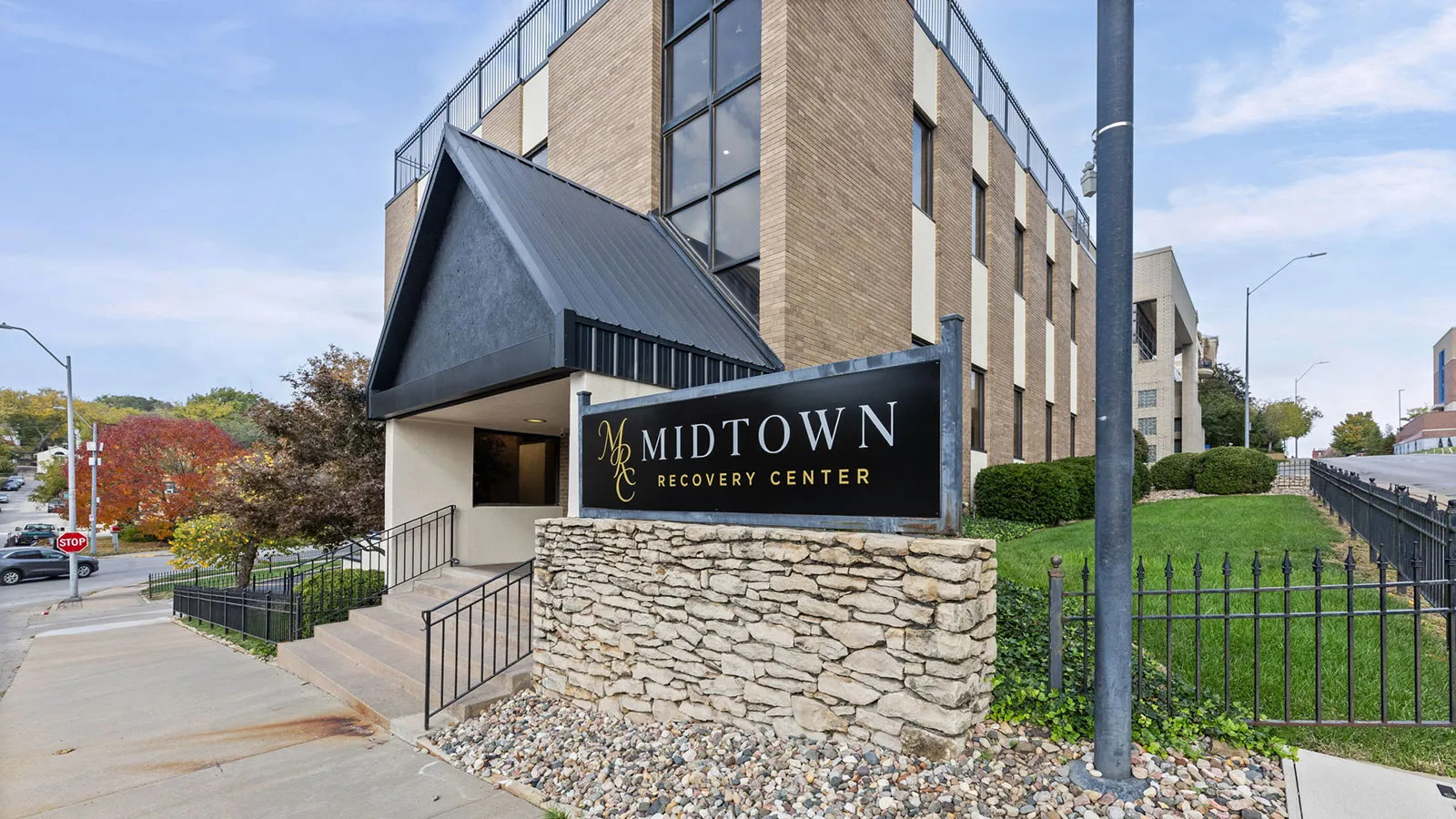
IOP is designed to fit around a job, school, or family. Here are the practical details.
What Happens When You Call
Admissions is available 24/7. Have your insurance card and a list of current medications nearby if you can. Here is what happens:
- A member of the admissions team listens to your situation and answers your questions.
- You complete an assessment covering your substance use, health history, and mental health. This decides the level of care we recommend.
- The team verifies your insurance benefits so you know where you stand before you start.
- Together you plan your first day.
Same-day admission may be available once your insurance is verified and your assessment is complete. If you need medical detox or residential care first, our admissions team can refer you to a provider that offers it and plan your step into our programs afterward.
Keeping Your Job
Most people in IOP keep working. The evening track, 5:30 pm to 8:30 pm, exists so you can finish a workday or class and still get to treatment. The day track, 9:00 am to 12:00 pm, suits people who work afternoons or evenings, or who can arrange a late start.
Your privacy is protected by federal confidentiality rules for substance use treatment. Midtown will not disclose that you are in treatment without your written consent, so your employer only learns what you choose to tell them.
Tell admissions about your work hours when you call. Being open about your schedule helps the team place you in the right track from the start.
Getting There
Midtown Recovery Center is at 1000 W 46th Street in Kansas City, Missouri. Treatment takes place in person in a two-story standalone building with three group rooms, private offices, and a client lounge. Ask admissions for directions when you call so your first visit is simple.
What IOP Costs
We work with all major commercial insurance companies. Coverage varies by plan, so verifying your benefits is the first step, and the admissions team does that with you before you commit. You can also use the Verify Insurance button on this page.
Midtown does not accept Medicaid or Medicare. Payment plans are available, and private-pay rates are provided on request.
Phones, Family Contact, and Missed Sessions
If you need to miss a session, let your care team know as soon as you can so they can adjust your plan and catch you up. Your treatment team goes over attendance expectations with you at intake, including how missed sessions affect your timeline.
With your written permission, your care team can keep a named family member updated on how treatment is going. Phone use during program hours is covered in your intake orientation.
What IOP Means for Family

If someone you love is in IOP, they are home for most of the day and in treatment for three hours of it. That means the household sees more of the hard parts than it would with a residential program. Your support matters, and so does knowing where your role ends.
How to Support Without Policing
Checking phones, counting pills, or questioning every outing usually backfires. It breeds secrecy and turns the house into a place of surveillance rather than support. Try this instead:
- Ask how the day went, and listen without steering the conversation toward whether they used.
- Notice effort as well as results. Showing up to every session this week is worth saying out loud.
- Set boundaries about your own behavior, not theirs: what you will and will not do, stated calmly and kept.
- Bring your worries to a family session rather than confronting them at home in the moment.
Family Sessions and Education
Family sessions are part of the program at Midtown Recovery Center and can be held up to once a week, depending on the treatment plan. Your loved one’s treatment team arranges them and helps decide who should take part.
In these sessions you learn how addiction and recovery work, practice honest communication with a clinician in the room, and work on rebuilding trust. After the program, Midtown’s family group, part of our aftercare, offers continued support from other families who understand.
Living Together During IOP
Because your loved one comes home every day, the household is part of the treatment. A few things help:
- Keep alcohol and other substances out of the house.
- Keep routines steady: meals, sleep, and the treatment schedule on a shared calendar.
- Give space after a hard day of therapy. Tired and quiet is normal.
- Agree on household boundaries together, and revisit them as treatment progresses.
- Learn the warning signs of relapse, such as missed sessions or sudden mood changes, and tell the care team if something worries you.
Taking care of yourself matters too. The family group gives you a place to do that.
After IOP: Stepping Down and Aftercare

When IOP ends, most people step down to outpatient care for ongoing support with the same clinical team.
Finishing a program is a milestone, not the finish line. Aftercare at Midtown includes:
- An alumni group to stay connected with peers who completed treatment
- A family group so loved ones keep building healthy habits together
- Relationships with local sober living homes for anyone who needs a stable place to live
Before you finish, your care team builds a relapse prevention plan with you that covers triggers, early warning signs, and what to do if you slip. Many people also add community support groups for ongoing peer support.
FAQs
How many hours a week is IOP?+−
Each session is three hours, either 9:00 am to 12:00 pm or 5:30 pm to 8:30 pm. Your treatment team sets how many days a week you attend based on your assessment, and adjusts it as you progress.
Can I work while attending IOP?+−
Yes. The evening track, 5:30 pm to 8:30 pm, is designed for people who work or go to school during the day. The day track suits people who work afternoons or evenings.
What is the difference between PHP and IOP?+−
Hours. PHP runs Monday through Saturday from 9:00 am to 2:45 pm and typically lasts four to six weeks. IOP is three hours a day with a morning or evening option and typically lasts 30 to 90 days. Many people start in PHP and step down to IOP.
Do I need detox before IOP?+−
If you are in active withdrawal, yes. Midtown does not provide detox, but our admissions team can refer you to a provider that does, and you can start IOP with us afterward.
Is medication-assisted treatment available in IOP?+−
Yes. Midtown offers Suboxone, Sublocade, and Vivitrol as part of medication-assisted treatment, and it can be included in your IOP plan when it fits your needs.
Does insurance cover IOP?+−
We work with all major commercial insurance companies. Coverage depends on your plan, so the admissions team verifies your benefits before you begin. We do not accept Medicaid or Medicare. Payment plans are available, and private-pay rates are provided on request.
Related Programs
We Accept Most Major Insurance Plans
Don't let cost be a barrier to recovery. Most treatment is covered by insurance.
Our Team
Medical Director
MD
Clinical Director
LCSW
Admissions Coordinator
Start Your Recovery Today — Same Day Admissions Available
24/7 Admissions Support