
Treatment
Marijuana & Cannabis Treatment
Written by: Midtown Recovery Center Editorial TeamPublished: September 23, 2026Updated: October 27, 2026
Understanding marijuana addiction
There’s no single reason why someone develops marijuana addiction. Some people simply take marijuana as a way of dealing with stress.
At first, you may feel in control. However, as you continue to use marijuana, recreational use can turn into a substance use disorder.
Cannabis can affect your brain’s reward system, which affects your habits and emotional patterns. This makes marijuana more difficult to give up.

Why it happens
Marijuana addiction happens due to several causes.
- Family History and Early Exposure: Having parents and relatives who struggle with addiction means you have a higher likelihood of addiction. Moreover, being exposed to marijuana as a child increases the risk.
- Trauma: Experiencing trauma affects how you respond to stress and difficult emotions. Some people may begin relying on marijuana to cope with PTSD.
- Stress, Anxiety, and Depression: Living with anxiety and depression raises your risk of developing substance use disorders. Using marijuana may become part of an attempt to manage daily stress.
- Environmental Factors: Marijuana use among your family and friends creates an environment where frequent use seems normal. Easy access to the drug also makes it harder to stop using marijuana.
Unfortunately, if you’re already susceptible to addiction, things can quickly spiral.
How dependence develops
Marijuana dependence happens as you repeatedly become exposed to THC, the intoxicating compound in cannabis. Its progression can look different for everyone, although there are usually patterns.
First, people may use marijuana to cope. Over time, cannabis turns into a regular response to stress and anxiety.
Next, you develop a tolerance for THC. You need more cannabis to experience the same effects as before.
Your brain adapts to frequent marijuana exposure. That means when you stop using the drug, the drop in THC makes you feel restless. Most people experience withdrawal symptoms like irritability, anxiety, and difficulty sleeping.
At this stage, people simply use marijuana just to feel normal. This reinforces the cycle of dependence.
Who needs marijuana addiction treatment
Marijuana addiction treatment is a good option if the drug has been affecting your daily life. You should consider it if:
- You use marijuana regularly and are unable to control your intake.
- You have tried and failed to cut back on marijuana use.
- You spend a significant amount of time and money trying to obtain marijuana.
- You continue to use marijuana despite its negative effects on your work and relationships.
- You experience withdrawal symptoms and shaking whenever you stop using marijuana.
Is this treatment for you
Marijuana addiction treatment isn’t just for those who are experiencing severe symptoms. In fact, even those with mild addictions can greatly benefit from treatment.
Midtown Recovery Center offers outpatient programs, medical detox, and individual and group therapy for people struggling with marijuana in Kansas City, MO. Our outpatient services give you access to substance abuse treatment without having to stay full-time at a recovery center.
Simply put, marijuana addiction treatment is ideal for anyone struggling with the substance at any stage. A treatment center can tailor the program based on the level of care you need.
Signs of marijuana addiction
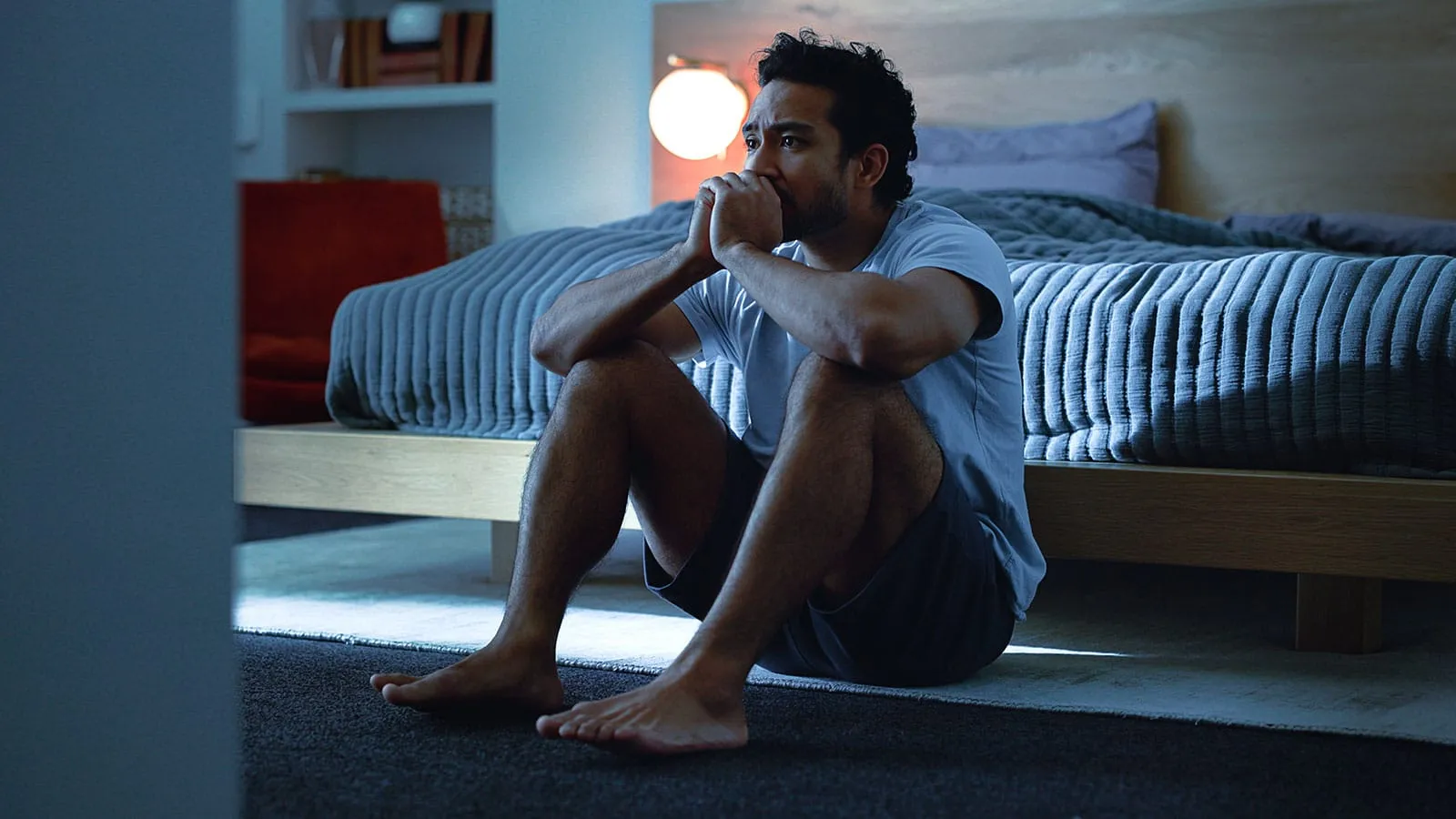
Marijuana dependence can slowly creep up on you. Sadly, many people develop marijuana addictions without even realizing it.
So how can you tell whether you’re experiencing marijuana dependence? Here are a few signs to look out for.
- Behavioral Signs of Dependence: You may use marijuana in larger doses than you intended. You become unable to stop using it even if it affects everyone around you.
- Physical Signs of Dependence: Your appetite changes and you have trouble sleeping. You become irritable, and you experience strong cravings when you stop using marijuana.
- Emotional Signs of Dependence: You rely on marijuana whenever you feel anxious or stressed. You also lose interest in activities and hobbies you used to love.
Marijuana dependence is different for everybody. You may not experience all of these signs. That said, it’s still worth seeking substance use disorder treatment if you suspect an addiction.
Side effects
If you’re struggling with marijuana, you may have noticed changes in how you think, feel, and function. You may notice some of these changes without realizing they’re connected to marijuana use.
Below are side effects that can happen shortly after marijuana intake.
- Brain Fog and Difficulty Concentrating: You may feel mentally slowed down, and you have trouble focusing.
- Memory Problems: You may forget conversations and lose track of what you’re doing. In some cases, you may experience blackouts or gaps in your memory.
- Headaches and Dizziness: Some people feel lightheaded and unsteady after using cannabis. You may also have headaches, nausea, and other physical discomforts.
- Increased Heart Rate: Your heart can beat faster than usual. This can come with anxiety, nervousness, and paranoia.
- Decreased Coordination: Marijuana affects your coordination and impairs your judgment. You may have a higher risk of accidents.
Long-term effects
What happens if you don’t address marijuana addiction? If you keep going, you will experience various long-term health risks.
- Mental Health Risks: Frequent cannabis use affects your mental health and cognitive functions. You can face an increased risk for depression, anxiety, and other mental health concerns. People who already have mental health conditions, such as bipolar disorder, can develop co-occurring disorders.
- Respiratory Problems: Smoking marijuana irritates your lungs and increases mucus production. This can appear as coughing, bronchitis, and other respiratory problems.
- Brain Development Issues: Using marijuana from a young age can permanently affect your brain. It can lower your processing speed and IQ.
- Liver Disease: High doses of cannabidiol, combined with other medications, can damage your liver.
- Cardiomyopathy: Marijuana use strains your heart and blood vessels. It can cause cardiomyopathy and increase your likelihood of stroke.
Withdrawal from marijuana
Once you stop using marijuana, you may notice physical changes as your body adjusts to the lower THC levels. Knowing what to expect can help you prepare for the challenges ahead.
Symptoms
Marijuana withdrawal is not usually life-threatening. However, it can be extremely uncomfortable, especially if you have severe cannabis use disorder.
The most common withdrawal symptoms include:
- Irritability, anger, and mood swings
- Reduced appetite
- Restlessness, anxiety, and nervousness
- Sweating and chills
- Difficulty sleeping accompanied by strange dreams
In severe cases, you may experience the following:
- Hallucinations
- Confusion
- Severe vomiting
- Chest pain
- Difficulty breathing
- Thoughts of self-harm
Marijuana withdrawal isn’t something to push through at home. Never wait for an emergency. You should seek medical attention immediately, especially if you experience severe symptoms.
By reaching out to a rehab center, you get access to medication-assisted treatment (MAT), support groups, mental health treatment, and individual counseling. Ultimately, having a treatment plan will increase your chances of stopping marijuana use.
Timeline
Marijuana withdrawal follows a fairly predictable arc. Because THC is stored in body fat and leaves the system slowly, symptoms tend to build gradually rather than hitting all at once. Heavy daily users usually notice more, and for longer, than occasional users.
The first 72 hours
- 0 to 24 hours: Most people feel close to normal at first. Cravings begin, along with mild restlessness and irritability, often by the end of the first day.
- 24 to 48 hours: Symptoms become noticeable. Anxiety, a short temper, and a drop in appetite are common. Falling asleep gets harder, and some people have sweating, chills, or stomach discomfort.
- 48 to 72 hours: This is when discomfort climbs toward its peak. Sleep is often broken by vivid, strange dreams. Mood swings, headaches, and cravings are usually at their strongest between day two and day six.
Week by week
- Week 1: Symptoms peak and then begin to ease. Irritability and anxiety tend to improve first. Appetite starts to return.
- Week 2: Most physical symptoms fade. Sleep problems and vivid dreams are the ones most likely to linger, and cravings still come in waves.
- Weeks 3 and 4: Sleep usually settles back toward normal, although it can take a month or longer for some people. Energy and concentration improve.
Post-acute withdrawal
After the acute phase, some people have a quieter, longer stretch of low mood, flat motivation, sleep that still feels off, and sudden cravings triggered by stress or old routines. This can come and go for several weeks to a few months. It is not a sign that treatment failed. It is your brain recalibrating without THC, and it is the main reason ongoing therapy matters after the first two weeks.
If symptoms are getting worse instead of better after the first week, or you notice confusion, hallucinations, chest pain, severe vomiting, or thoughts of harming yourself, treat that as urgent and get medical help right away.
Treatment options for marijuana addiction

Marijuana addiction treatment at Midtown Recovery Center is outpatient, which means you get structured care during the day or evening and sleep in your own bed. Because cannabis withdrawal is rarely a medical emergency, most people start directly in a program rather than in detox. If you also use alcohol or other drugs, we arrange detox through a partner facility first. From there, you step into the level of care that fits how much support you need, and you move to a lighter level as you stabilize.
How long each stage takes
Most people treated for marijuana addiction skip medical detox entirely. When it is needed, usually because other substances are involved, partner placement typically takes 3 to 7 days.
- PHP: 4 to 6 weeks.
- IOP: 30 to 90 days.
- OP: schedule and length set with your treatment team, often continued for as long as it is useful.
Heavy daily use, a co-occurring condition like depression or anxiety, or a few false starts tend to extend the timeline. A stable home, a supportive job, and starting before things fall apart tend to shorten it. Your treatment team reviews your progress regularly, so the plan adjusts to you, not the other way around.
Can it wait
If you are asking whether treatment can wait a week while you finish a project or get through a family event, the honest answer is: physically, probably yes. Marijuana withdrawal is uncomfortable, not dangerous, for most people. A short delay will not harm your body the way waiting can with alcohol or benzodiazepines.
The risk is not medical. It is momentum. The moment you decide to get help is usually the strongest you will feel about it, and that resolve fades quickly once daily use resumes. A week often becomes a month.
Waiting stops being reasonable, and becomes an emergency, if any of these are true:
- You have thoughts of harming yourself or ending your life.
- You are having paranoia, hallucinations, or confusion that is new or getting worse.
- You have repeated, severe vomiting and cannot keep fluids down.
- You are mixing marijuana with alcohol, opioids, or sedatives.
Stopping now versus later changes one thing above all: how much of your life you still have intact when you start. Work, relationships, and mental health recover faster when there is less to rebuild.
Therapies used for marijuana addiction

There is no medication approved specifically for cannabis use disorder, so therapy does the heavy lifting. Cognitive behavioral therapy helps you spot the thoughts and situations that lead to use and practice something different. Dialectical behavior therapy builds tolerance for the stress and emotions you used marijuana to escape. EMDR addresses trauma that may be driving the habit, and family and group therapy repair the relationships around you. Medication management is available for the anxiety, depression, or sleep problems that often sit underneath cannabis use.
Logistics: what actually happens
Overcoming an addiction takes time. Some people need a few weeks, while others can take months to recover. This shouldn’t discourage you from seeking treatment. Here’s what you can do from a practical standpoint.
Kids, pets, and the household while you are away
What happens to your responsibilities while you’re away for recovery?
First, you can ask a trusted family member to watch your kids and pets. Aside from this, you may also arrange for a babysitter to cover the hours you are in treatment.
Who treats you here
Midtown’s clinical team is led by Joshua Sprung, Clinical Director, and Pamela Tambini, MD, Medical Director. The therapists you work with day to day are credentialed in CBT, DBT, and EMDR, and many of our team members are in recovery themselves or have seen addiction up close in their own families. You are not handed off to whoever is free; you have a primary therapist who knows your history, and the team meets regularly to review your progress.
Is it safe to detox at home
For marijuana alone, stopping at home is usually physically safe. Withdrawal is unpleasant but rarely dangerous, as the timeline above describes. That said, “safe” and “likely to work” are not the same thing, and there are situations where going it alone is a genuine risk.
What can go wrong unsupervised:
- Mental health symptoms escalate. Anxiety, depression, and in heavy users paranoia or psychosis can surface or worsen in the first days without THC. At home, no one is watching for this.
- Other substances are in the picture. If you also drink or use sedatives, withdrawal from those can be dangerous and needs medical supervision.
- Severe vomiting leads to dehydration. This is uncommon but can require IV fluids.
- Relapse by day three. Peak discomfort hits before any benefit does, and most home attempts end here.
Midtown Recovery Center does not run detox on site. If your assessment shows you need medical detox, we arrange placement with a partner facility and bring you into our program as soon as you are stable. Most people with marijuana addiction do not need that step and start treatment directly.
What happens when you call
When you call, you reach a real person, any hour of the day or night. The conversation usually takes 15 to 20 minutes and is confidential. Nothing you say is shared with your employer, your family, or anyone else without your written permission.
We ask a handful of practical questions:
- How much and how often you use marijuana, and whether you use anything else.
- Any mental health diagnoses or medications.
- Your work or school schedule, so we can match you with a daytime or evening track.
- Your insurance information, if you have it.
While you are on the phone or shortly after, our admissions team runs a benefits check with your insurer so you know what is covered before you commit to anything. If the assessment and verification go through and we have a seat, you can often begin the same day or the next business day. If you are not ready to start, that is fine too. Calling does not obligate you to anything.
Your job
In many cases, inpatient or residential treatment isn’t necessary. Midtown Recovery Center’s facility in Kansas City, Missouri, offers an intensive outpatient program. This gives you some flexibility for when you still need to continue work alongside treatment.
Moreover, if you need protected leave, you can discuss FMLA eligibility with your employer.
Midtown Recovery Center works with all major insurance companies. You don’t have to worry about cost, as payment plans are available.
What it costs, really
Most people pay far less than they expect, because outpatient care costs a fraction of residential treatment and because Midtown Recovery Center works with all major commercial insurance plans. In many cases, insurance covers the majority of PHP and IOP.
What actually drives your out-of-pocket cost:
- Your deductible. If you have not met it this year, you will pay more up front.
- Copays or coinsurance. A set amount per session or a percentage of the bill.
- Length of stay. A 90-day IOP costs more than 30 days, although most plans cover medically necessary care for the full duration.
- Network status. Midtown is an out-of-network provider, so your plan’s out-of-network benefits apply. Our admissions team confirms what that means for your plan before you start.
If you have no insurance or a plan that covers little, private-pay rates are available on request, and we offer payment plans so the cost spreads over months rather than landing at once. The fastest way to get a real number is to complete the insurance verification form on this page. We check your benefits and call you back with what your plan covers and what, if anything, you would owe.
Where you will sleep, what to bring, phones and visitors
Midtown Recovery Center is a two-story standalone building at 1000 W 46th Street in Kansas City. It is an outpatient facility, so there are no overnight stays. You come in for your scheduled program hours and go home afterward.
Your day is spent in one of three group rooms, in private offices for individual sessions, and in a client lounge between sessions. A typical PHP day includes a morning check-in, two or three therapy groups, an individual session when scheduled, and a lunch break. IOP is a shorter block of group and individual work, with a morning or evening track.
What to bring: a photo ID, your insurance card, a list of current medications, and something to write with. Your admissions coordinator goes over the full what-to-bring list before your first day.
Phones: you keep your phone. We ask that it stay silenced and put away during groups so sessions stay focused and private. Your intake orientation covers the details. Outside program hours, your phone is yours.
Visitors: Since you go home each day, there is no visiting hour. Family joins through scheduled family sessions instead.
Getting here: ask admissions for directions and arrival details when you schedule your first day.
How long you will stay
How long will you be gone when you seek marijuana addiction treatment? The length of stay may vary based on your treatment plan.
- Partial Hospitalization Program: PHP at Midtown Recovery Center takes 4 to 6 weeks to complete. Sessions are from Monday to Saturday, 9 am to 2:45 pm.
- Intensive Outpatient Program: IOP takes 30 to 90 days to complete. Midtown Recovery Center offers a morning track from 9 am to 12 noon, and an evening track from 5:30 pm to 8:30 pm.
For family

Watching someone you love struggle with addiction can be difficult and frustrating. Even if you encourage them to seek treatment, they may refuse or cut you off.
So, how can you help your loved one?
The first thing you should do is seek advice from a professional. A therapist or interventionist can walk you through the best way to approach them.
Choose a calm place to talk. Express your concerns without being judgemental. Instead, offer to help to the best of your ability.
Lastly, don’t forget to set boundaries. Attending family therapy and Al-Anon groups can give you the guidance you need to overcome this challenge with your loved one.
How to start the conversation
The hardest part of helping someone with marijuana addiction is often the first sentence. Here is what tends to work, and what tends to blow up.
What works
- Pick the moment carefully. Sober, private, unhurried. Not right after an argument and not while they are high.
- Lead with what you have noticed, not what they are. “You have seemed really down, and you are smoking most nights now” lands differently than “you are an addict.”
- Use “I” statements. “I am worried” and “I miss you” are hard to argue with. “You always” invites a fight.
- Ask, then listen. “What does it do for you?” opens a door. Many people use marijuana to manage anxiety or sleep and have never said so out loud.
- Have one concrete next step ready. An assessment, a phone call, a visit. Not a demand that they fix everything today.
What backfires
- Ultimatums you are not prepared to keep.
- Lectures about marijuana being a gateway drug. They have heard it, and it ends the conversation.
- Ambushing them with several family members at once without professional help.
- Comparing them to someone else who got clean.
Expect defensiveness the first time. One calm conversation rarely changes anything on its own, but it plants the idea that help is available and that you are not going anywhere. Keep the door open and try again.
If they refuse
A “no” is not the end. Most people who eventually enter treatment refused it at least once first.
If your loved one will not consider treatment, your options are:
- Talk to a professional yourself. Our admissions team can help you think through the next step even if the person using is not on the call. Family therapy is available before they agree to anything.
- Consider a structured intervention. A trained interventionist plans the conversation, keeps it from turning into an argument, and has a treatment plan ready to go. This is different from a surprise confrontation.
- Set boundaries you can hold. Not paying for marijuana, not covering for missed work, not pretending nothing is wrong. Boundaries protect you and change the math for them.
What not to do: threaten, bargain, search their room, or cut off contact in anger. These usually push the person further into use and away from you.
If they become a danger to themselves or others, call emergency services or the 988 Suicide and Crisis Lifeline.
Contact and visiting during treatment
Because treatment at Midtown Recovery Center is outpatient, there is no separation. Your loved one attends their program hours and comes home every evening, so you can talk to them, eat dinner with them, and see for yourself how they are doing. There is nothing to arrange to stay in touch.
The more structured way to be involved is through family sessions, scheduled with their therapist as part of the treatment plan. These are where you can say what you need to say with a clinician in the room. Your loved one’s treatment team is your point of contact for family sessions; admissions can connect you, and with your loved one’s written release the team can share updates with you directly.
What to expect when they come home
With outpatient care, “coming home” happens every day, so the real question is what to expect when the program ends. The first 90 days after treatment are when relapse risk is highest and when new habits either take root or do not.
Expect some flatness. Early recovery from marijuana often means boredom, trouble sleeping, and irritability, especially in the evenings when they used to smoke. That is normal and it passes.
Warning signs worth paying attention to:
- Reconnecting with people they used with, or spending time where they used to use.
- Skipping aftercare appointments or support meetings.
- Secrecy, a return of old smells, or money unaccounted for.
- Saying “I can handle it now” or “it was never that bad.”
Boundaries still matter. Keep marijuana out of the house. Agree in advance on what happens if they slip. A slip is not failure, but it needs a quick response, not a silent one. Ask their therapist how you can support the relapse prevention plan rather than guessing.
Support for you
You need help too, and not only because it makes you a better support. Living alongside someone’s addiction wears people down, and you are allowed to care for yourself.
Family therapy at Midtown Recovery Center gives you a place to work on communication and boundaries with a clinician guiding the conversation. Outside the center, Nar-Anon and Al-Anon family groups offer free peer support from people who have lived this, and NAMI family programs are a good fit when mental health is part of the picture. Your own therapist is worth considering as well.
Setting boundaries is not abandoning them. It is how you stay well enough to be there for the long haul.
Aftercare

Completing the addiction treatment program is a huge milestone that can change your life. That said, most people need supportive care after they leave the facility.
Aftercare gives you access to sober living, relapse prevention, and continuing care plans. Midtown Recovery Center connects you with a recovery community to prevent any relapses down the line.
Frequently Asked Questions
Is It Safe to Detox From Marijuana at Home?+−
In general, marijuana withdrawal isn't life-threatening. Still, you can experience serious symptoms that require medical assistance. Irritability, sleep problems, anxiety, and cravings can make detoxification difficult. For the best results, don't try to manage marijuana detox at home. Speak with a medical professional before stopping your intake.
Who Will Treat Me?+−
Midtown Recovery Center is headed by Joshua Sprung as the Clinical Director and Pamela Tambini, MD, as the Medical Director. All therapy staff have credentials in cognitive behavioral therapy, dialectical behavioral therapy, and EMDR. Many of our team members are in recovery themselves or have seen addiction up close in their own families.
Will I Lose My Job to Receive Marijuana Addiction Treatment?+−
You don't have to leave your workplace to receive marijuana addiction treatment. Under FMLA, your employer doesn't have to know the type of treatment you're receiving. You can keep treatment confidential and work around your schedule through outpatient options.
What Can I Do If a Loved One Refuses Marijuana Addiction Treatment?+−
You can never force someone to accept treatment, but you can let them know you're willing to help. Choose the right timing and show your loved one that you're genuinely concerned for their well-being. If you're unsure how to proceed, contact a treatment professional for guidance on the next steps.
Do You Offer Same-Day Admission for Marijuana Addiction Treatment?+−
Timing is key in addiction treatment. After a successful intervention, you'll want to contact a rehab center before your loved one changes their mind. Midtown Recovery Center's admission team is available 24/7 to answer your concerns. When you call, our team can discuss your situation and complete an assessment. Following this, we will verify your insurance benefits. Same-day admission is available once you complete insurance verification and assessment.
Where Can I Find Marijuana Addiction Treatment in Kansas City, MO?+−
Midtown Recovery Center is a marijuana addiction treatment facility located at 1000 W 46th Street, Kansas City, MO. It offers private rooms and client lounges where you can feel comfortable as you recover from marijuana addiction. You can visit our website to learn more about our amenities and services!
We Accept Most Major Insurance Plans
Don't let cost be a barrier to recovery. Most treatment is covered by insurance.
Our Team
Medical Director
MD
Clinical Director
LCSW
Admissions Coordinator
Start Your Recovery Today — Same Day Admissions Available
24/7 Admissions Support