
Treatment Program
Aftercare and Alumni Program
Written by: Midtown Recovery Center Editorial TeamPublished: October 23, 2026Updated: October 27, 2026
What Is an Aftercare and Alumni Program?
Finishing a rehab program is an important milestone in someone’s recovery from substance use disorder (SUD). However, treatment doesn’t necessarily end when you step out of the rehab facility.
Returning to your daily life, family, and work can bring new challenges for a person recovering from an addiction.
Aftercare and alumni programs offer continued support during this important transition. These programs help former rehab patients maintain their treatment progress as they reintegrate into society.

A good continuing program also helps build healthier routines and connections supporting long-term recovery.
If you or someone you know has completed a treatment for addiction in Kansas City, finding the right aftercare and alumni services provider can make a world of difference in staying on track in recovery.
Aftercare services and alumni programs sometimes overlap, but they don’t always mean the same thing.
Aftercare Services
Aftercare programs are ongoing support following a more intensive level of addiction treatment. They often follow residential rehab, partial hospitalization (PHP), or intensive outpatient (IOP) programs.
For someone struggling with some kind of substance abuse problem, aftercare can help them safely return to their everyday lives.
Like most treatment plans, aftercare programs are structured clinical plans and may involve different interventions, depending on the person’s unique needs.
Some programs offer case management, relapse prevention planning, referrals, and other services, including:
- Mental health care
- Outpatient services
- Medication-assisted treatment (MAT)
- Cognitive behavioral therapy (CBT)
- Alumni and family groups
- Individual counseling
- Individual and group therapy
Aftercare doesn’t mean that a person’s rehab has failed. Instead, it recognizes that successful substance use disorder treatment takes time and often isn’t linear.
The American Society of Addiction Medicine (ASAM) describes addiction treatment as a continuum, requiring careful assessment as the individual moves through different levels of care.
Studies show that aftercare and continuing treatment are important in maintaining abstinence and sobriety after rehab.
Alumni Programs
Alumni programs are another way a former rehab patient can stay connected. These are community-driven initiatives hosted by a specific treatment center.
While it may differ from one facility to another, these programs often include:
- Scheduled check-ins
- Support groups
- Sober events
- Educational events
- Mentorship programs
These initiatives offer several benefits to those recovering from an alcohol or opioid addiction.
Addiction is so often an isolating condition. By keeping you surrounded by people who understand your struggles, alumni programs reduce isolation, which is associated with increased relapse risks.
Staying in touch with your healthcare provider also makes emergency support more accessible if trouble arises.
After medical detox and rehab, alumni programs and aftercare plans work together in supporting the person to overcome substance use disorder.
Is Aftercare the Right Level of Care for You?
Aftercare is for people who have completed a treatment program and are stable. If you are still in active use, in withdrawal, or have not yet been through treatment, one of our clinical programs comes first. Your assessment confirms where you fit.
Who Needs an Aftercare or Alumni Program?
Substance addiction is a highly relapsing disease.
Clinical treatment studies found that the chances of relapse are highest within weeks to months of receiving treatment. Two-thirds of those who initiated treatment are found to relapse within that time.
Other studies about relapse and relapse prevention saw an 85% relapse rate within a year after drug and alcohol rehab.
It’s worth remembering that relapse is a normal part of recovery and doesn’t mean treatment has failed.
That said, aftercare can be helpful for many people trying to quit alcohol or drug addiction for good, especially when they’ve just completed treatment.
Transitioning Out of Residential Treatment
Leaving inpatient rehab can mean transitioning from a highly structured environment back into daily life. Often, this means returning to work responsibilities, family commitments, and other stressors.
Combining aftercare and alumni programs can support patients during this sensitive time. It may also help them recognize problems early before they become a crisis.
Completing PHP or IOP
PHP and IOP are both outpatient treatment programs that are less intensive than inpatient rehab. However, those who finished PHP or IOP may still benefit from aftercare.
Aftercare can serve as a crucial step down after PHP or IOP. Instead of abruptly stopping support, it may be better to reduce the frequency of counseling, therapy, and other mental health services gradually.
Returning to School, Family, or Work
Going back to your everyday routines can be exciting. However, for many, this means rebuilding relationships and readjusting to being around people and social situations.
This can expose you to the same triggers that started your substance abuse.
Alumni programs and aftercare plans allow former rehab patients to share and discuss their struggles in a safe environment.
People With a Higher Risk of Relapse
Some people have a higher risk of relapse and may require additional support after residential treatment.
These are individuals diagnosed with a co-occurring mental health disorder, experiencing withdrawal symptoms, or living somewhere where alcohol and drugs are readily available.
Conversing with an alcohol or opioid treatment professional can help determine an appropriate support and aftercare plan.
Who Needs More Support First
Aftercare is not a substitute for treatment. If you have relapsed and are using regularly again, in active withdrawal, or dealing with a mental health crisis, you need a higher level of care before aftercare can help.
That might mean stepping back into IOP or PHP at Midtown, or, if you need medical detox or residential treatment, a referral from our admissions team to a provider that offers it. Coming back is not failure. It is what the plan is for.
Aftercare vs. Other Levels of Care
Aftercare is the lightest level of support at Midtown and follows the clinical programs:
- Partial Hospitalization Program (PHP): Monday through Saturday, 9:00 am to 2:45 pm, typically four to six weeks.
- Intensive Outpatient Program (IOP): a day track from 9:00 am to 12:00 pm or an evening track from 5:30 pm to 8:30 pm, typically 30 to 90 days.
- Outpatient Program (OP): our most flexible level of care. Your schedule and length of care are set with your treatment team.
Aftercare itself is the alumni group, the family group, and connections to local sober living homes. Unlike the programs above, it is not a scheduled block of clinical treatment. It is the support that stays in place after that treatment ends.
What Does Aftercare Look Like in Practice?

Aftercare plans are generally less intensive than residential rehab, and the schedule depends on the individual’s needs and available treatment options.
A Typical Day in Aftercare
There’s no one-size-fits-all to treatment plans. The same remains true for aftercare.
One person can work or attend school during the day and attend evening counseling or therapy. Another can have individual therapy sessions with a psychiatrist while attending peer-support groups and alumni programs.
Someone can also live in sober living homes while receiving medication for cravings, such as Suboxone and Vivitrol.
The focus may shift from structured treatment toward maintaining abstinence and healthier routines.
Who Aftercare Supports
Aftercare at Midtown supports people who completed treatment for any substance use disorder, including alcohol, opioids, stimulants, benzodiazepines, marijuana, and kratom, and anyone with a co-occurring mental health condition such as depression, anxiety, PTSD, or bipolar disorder.
Ongoing mental health care continues alongside it. The alumni and family groups are peer support, not a replacement for therapy or medication, so your care team helps you set up what you need before you finish your program.
How Long Aftercare Lasts
There is no end date. The alumni group and family group are open to you as long as you want them, and many people stay connected for years. The first year after treatment carries the highest relapse risk, so your care team will encourage you to stay involved at least through that period.
Aftercare and Alumni Programs in Kansas City, Missouri
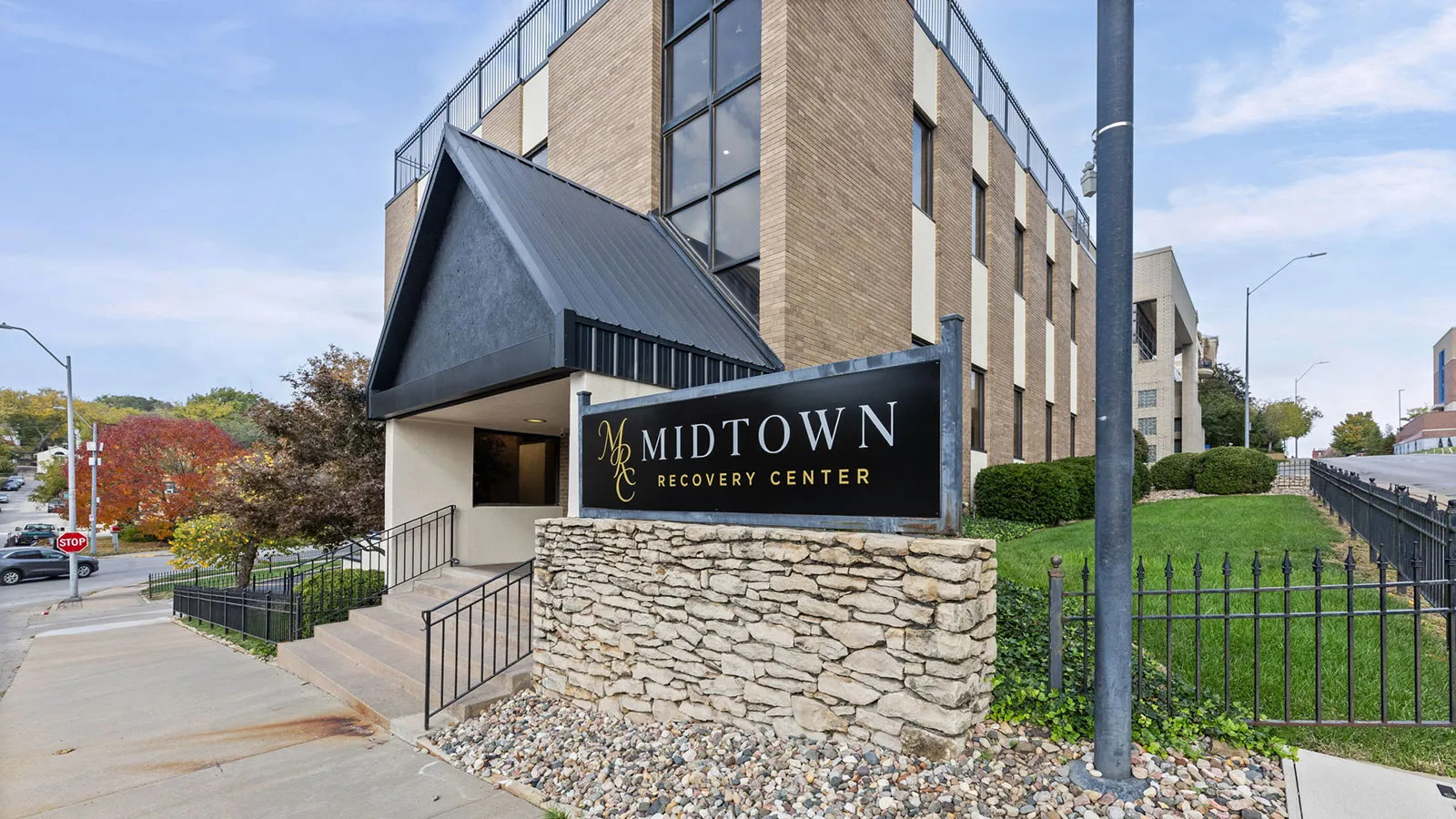
Many addiction treatment providers in Kansas City, MO, offer aftercare and alumni programs. Here is how it works at Midtown.
Joining Aftercare
If you completed treatment at Midtown, aftercare is part of your discharge plan, and your care team connects you to the alumni group before you leave. If you finished treatment elsewhere and want ongoing support, call admissions. An assessment determines whether aftercare or one of our clinical programs is the right fit.
What Happens When You Call
Admissions is available 24/7. The team asks about your treatment history, your current situation, and the kind of support you are looking for. If you are stable and have completed treatment, they connect you with the alumni group. If you need more than that, an assessment finds the right level of care, and same-day admission may be available once your insurance is verified and your assessment is complete.
Keeping Your Job
Aftercare is built around a normal life. Alumni and family group meetings are scheduled so people who work or study can attend, and nothing about aftercare requires time away from work. Tell your care team about your schedule when you plan your discharge.
Getting There
Midtown Recovery Center is at 1000 W 46th Street in Kansas City, Missouri. Treatment takes place in person in a two-story standalone building with three group rooms, private offices, and a client lounge. Ask admissions for directions when you call so your first visit is simple.
What Aftercare Costs
Midtown’s alumni group and family group are part of our aftercare and do not carry a separate program fee. If your plan includes ongoing outpatient therapy or medication-assisted treatment, those are covered the way the rest of your treatment was.
We work with all major commercial insurance companies. Coverage varies by plan, so verifying your benefits is the first step, and the admissions team does that with you before you commit. You can also use the Verify Insurance button on this page.
Midtown does not accept Medicaid or Medicare. Payment plans are available, and private-pay rates are provided on request.
Staying Connected
Aftercare only works if you stay in touch. If you miss a few alumni meetings, nobody is going to chase you, but your care team would rather hear from you early than late. If cravings come back, you slip, or life gets hard, call. A setback does not erase your progress, and stepping back into treatment for a while is always an option.
Supporting a Loved One During Aftercare

Family members can play a crucial role during recovery. According to a growing body of evidence, family involvement during rehab can significantly improve treatment motivation and outcomes.
If you’re a close family member of someone trying to overcome addiction, you can encourage them to attend appointments, listen to their struggles, and celebrate important recovery milestones.
Supporting someone doesn’t mean controlling them, though.
Respecting their independence is key. Create a supportive home environment by establishing boundaries and promoting accountability.
Depending on the situation, this could mean removing substances from your house, limiting exposure to triggers, and setting clear expectations and consequences about behavior at home.
You can support someone recovering from addiction by paying attention to them.
Watch out for sudden changes in behavior, increased isolation, missed appointments, and other signs that the individual may be struggling.
Encourage them to talk to their treatment provider if you find reasons to believe they’re at risk of relapsing.
How to Support Without Policing
After treatment ends, the temptation to monitor gets stronger, not weaker. There is no program checking in every day, so families often try to fill that gap themselves. Checking phones, demanding proof of sobriety, and questioning every outing usually backfire. Try this instead:
- Ask how they are doing and listen, without steering toward whether they used.
- Encourage alumni meetings and support groups without making attendance a condition.
- Set boundaries about your own behavior, stated calmly and kept.
- Join the family group. It gives you a place to bring your worries that is not your loved one.
The Family Group
During treatment, family sessions can be held up to once a week. After treatment, Midtown’s family group takes over. It is a standing group for the spouses, partners, parents, and adult children of people in recovery, led with the same care as the rest of our programming.
The group is a place to learn how recovery works over the long term, share what is happening at home, and hear from other families who are further along. Ask your loved one’s care team, or call admissions, to join.
Living Together After Treatment
When the program ends, home becomes the whole of recovery. A few things help:
- Keep alcohol and other substances out of the house, especially through the first year.
- Keep the routines that treatment built: regular sleep, meals, and meeting times.
- Know the warning signs of relapse, such as pulling away, skipping meetings, or sudden mood changes, and raise them early and calmly.
- If a stable home is not possible right now, Midtown has relationships with local sober living homes and can help with that conversation.
What Comes After Aftercare?

Completing an aftercare program doesn’t necessarily mean you no longer need treatment. But if you’ve become more stable, it may mean you can transition to a less formal support.
Some individuals choose to continue attending recovery meetings, peer-support groups, alumni groups, individual therapy, and counseling sessions, years after completing structured treatment and care.
FAQs
What happens when you finish rehab?+−
After finishing rehab, a former patient may move to a less intense level of care, such as PHP, IOP, or aftercare. What program is appropriate can depend on the person’s specific recovery needs.
Is aftercare really necessary?+−
Continuing care after rehab can be an important part of recovery. Healthcare providers would recommend aftercare services after discharge to help former patients maintain their progress.
How long does addiction aftercare last?+−
As in any kind of addiction treatment, there’s no specific length of time for an aftercare program. Depending on the patient’s needs, they may attend aftercare services for 90 days up to a year or longer.
What is an aftercare plan?+−
An aftercare plan is a personalized roadmap that helps a patient transition from structured addiction care back to their daily life. It provides ongoing support, prevents relapse, and promotes lifelong recovery.
What are examples of aftercare?+−
Treatment providers may offer a range of aftercare services, such as sober living homes, recovery coaching, peer-support groups, group therapy, and more.
What is the purpose of an alumni group?+−
Alumni groups can help foster a sense of community among former rehab clients. They’re a valuable resource that reduces isolation, provides mentorship opportunities, and offers peer-to-peer support. Many alumni groups involve social activities, such as hiking and volunteering.
We Accept Most Major Insurance Plans
Don't let cost be a barrier to recovery. Most treatment is covered by insurance.
Our Team
Clinical Director
LCSW