
Therapy
Trauma-Informed and Holistic Therapies
Written by: Midtown Recovery Center Editorial TeamPublished: October 23, 2026Updated: October 27, 2026
What Is Trauma-Informed and Holistic Therapy?
For many people, painful experiences drive them toward substance use. That’s why addiction treatment in Kansas City, MO, looks at the whole person.
Trauma-informed and holistic therapies address the mind, body, and spirit together. They help you understand what drives your substance use. They also give you practical tools to manage stress and cravings.
This page explains who these treatments can help and how they fit into outpatient care at Midtown Recovery Center.

Trauma-informed and holistic therapy treats addiction as part of a bigger picture. Your past, your stress, your body, and your mental health all play a role in substance use. As such, care looks at all of them together.
This approach comes in three parts:
- Trauma-informed care: Every part of treatment is built around safety, choice, and respect for what you have lived through.
- Evidence-based therapies: Methods, such as EMDR, CBT, and DBT, help you process painful memories and build healthier coping skills.
- Holistic practices: Mindfulness, grounding, and other body-based skills support calm, focus, and balance in body and mind.
These methods have a long track record. EMDR, for instance, was developed in 1987. The American Psychological Association, the U.S. Department of Veterans Affairs, and the World Health Organization all endorse it as a treatment for PTSD.
Is This Therapy For You?
If addiction and painful experiences feel tangled together, this therapeutic approach may fit your journey. Since many people living with substance use disorders also carry trauma, stress, or low mood, treating one without the other can leave gaps in their recovery.
What It Can Help With
Trauma-informed and holistic therapies support people dealing with:
- Trauma and PTSD alongside addiction
- Cravings and triggers linked to painful memories
- Depression, anxiety, and other co-occurring disorders
- Alcohol addiction and other substance use disorders
- Stress, poor sleep, and trouble relaxing
As many of these issues feed each other, treating them together supports your long-term recovery.
Who It May Not Suit Yet, and What to Expect
Not everyone is ready for trauma work on day one. These situations may call for extra care first:
- Severe withdrawal symptoms that need medical care
- An active mental health crisis
- Intense dissociation or feeling unsafe at home
Note: In these cases, a referral to medical detox or added support may come before therapy begins.
Trauma therapy can also stir things up inside you. You may notice:
- Strong emotions or vivid memories
- Tiredness after sessions
- Temporary dips in mood or sleep
These effects usually ease as treatment moves along. Not to worry; you and your therapist set the pace together. Just make sure to share any health conditions or medications with your care team before you start.
What a Typical Session Is Like

Walking into your first session can feel intimidating, and that’s completely normal. Knowing what to expect can ease some of that anxiety.
What You Will Be Asked to Do
You don’t have to retell your whole story. Your therapist guides each step, and you share only what feels manageable. Fortunately, many trauma-focused methods work without reliving every detail.
With that, a session will often include:
- A check-in on how you are feeling
- A grounding or breathing skill to steady your body
- Work on a memory, thought, or trigger at your own pace
- A calm wrap-up so you leave feeling steady
Session length depends on the therapy being used and your level of care. Individual trauma work, such as EMDR, usually runs longer than a standard talk-therapy session. Group therapy, where you practice skills alongside peers, is also part of your week.
How Long Treatment Takes
Everyone heals at their own pace, so there’s no fixed finish line. That said, the level of care you start in shapes the typical timeline.
- Partial Hospitalization Program (PHP): Monday through Saturday, 9:00 am to 2:45 pm, typically four to six weeks.
- Intensive Outpatient Program (IOP): a day track from 9:00 am to 12:00 pm or an evening track from 5:30 pm to 8:30 pm, typically 30 to 90 days.
- Outpatient Program (OP): our most flexible level of care. Your schedule and length of care are set with your treatment team.
How You May Feel After Your Session
After a session, you may feel tired, emotional, or lighter. All of these reactions are more than okay. Give yourself time to rest, drink water, and ease back into your day.
Over the following weeks, many people notice calmer moods and fewer cravings. That’s why steady attendance supports long-term recovery. Your next session starts with a check-in, so you never have to sort through it alone.
How This Therapy Works

Trauma can keep your body on high alert. Stress then rises, and cravings often follow. These therapies work by calming that cycle in a few different ways.
Note: Each method supports the others, so you build skills from several directions.
EMDR: Processing Painful Memories
EMDR pairs a brief recall of a painful memory with bilateral stimulation, such as guided eye movements or gentle taps. This is thought to ease the memory’s emotional charge.
It follows eight phases: history taking, preparation, assessment, desensitization, installation, body scan, closure, and reevaluation. Early phases focus on building coping skills before any memory work begins.
CBT and DBT: Changing Patterns
Cognitive behavioral therapy (CBT) links thoughts, feelings, and actions. You learn to spot thinking patterns that trigger cravings and swap them for healthier responses.
Meanwhile, dialectical behavior therapy (DBT) adds skills for managing intense emotions and handling distress without turning to substances. Together, both therapies support relapse prevention.
Holistic Practices: Calming the Body
Mindfulness and grounding skills train your attention to settle on the present. Over time, this can lower stress, which often fuels cravings, and give you a way to steady your body when a memory or trigger comes up.
Is This Type of Therapy Effective? Evidence and Endorsements
It’s only fair to ask for proof. Luckily, the research is encouraging, and it keeps growing. Let’s take a look:
What the Research Shows
Firstly, we have a 2025 meta-analysis. A review of 13 randomized controlled trials found trauma-informed care programs worked well, especially in clinical settings and for mental health outcomes.
Another study found that trauma matters most in addiction care. Trauma history and PTSD are common among people with substance use disorders and are linked to poorer treatment retention and outcomes.
In an early-stage study of a young adult residential program, a trauma-informed model was linked to significant drops in substance use, especially at three months.
Endorsements to Consider
Besides the research, leading health bodies back this work. SAMHSA, the U.S. agency for substance use and mental health services, publishes guidance on a trauma-informed approach. CBT and DBT are also well-established, evidence-based therapies.
Remember: No research can promise a result for any one person. Still, it shows that addressing trauma matters in recovery.
Where This Therapy Fits in Your Treatment Plan
Therapy works best as one part of a bigger addiction recovery plan. At Midtown, trauma-informed and holistic care fits within our outpatient levels of care. Your assessment helps guide where you will start.
Levels of Care to Consider
Here’s what we can offer you:
- Partial Hospitalization Program (PHP): Monday through Saturday, 9:00 am to 2:45 pm, typically four to six weeks.
- Intensive Outpatient Program (IOP): a day track from 9:00 am to 12:00 pm or an evening track from 5:30 pm to 8:30 pm, typically 30 to 90 days.
- Outpatient Program (OP): our most flexible level of care. Your schedule and length of care are set with your treatment team.
What Other Therapies Are Used Alongside It
A care team rarely uses trauma work alone. They typically pair it with other evidence-based treatment, such as the following:
- Cognitive behavioral therapy (CBT) and dialectical behavior therapy (DBT) for coping skills and relapse prevention
- Group therapy for peer support and shared skills
- Dual diagnosis treatment for co-occurring disorders, such as PTSD or depression
- Medication-assisted treatment (MAT) with Suboxone, Sublocade, or Vivitrol to help ease cravings
That said, if you require medical detox or residential treatment first, our admissions team can refer you to a provider that offers it.
Additionally, aftercare keeps support going once your program ends. It includes an alumni group, a family group, and connections with local sober living homes. Together, these steps support long-term recovery.
Our Clinicians’ Training
Midtown’s therapy staff are credentialed in CBT, DBT, and EMDR. The clinical team is led by Joshua Sprung, Clinical Director, and Pamela Tambini, MD, Medical Director.
Many of our team members are in recovery themselves or have seen addiction up close in their own families. That experience shapes how they work with you, while keeping treatment focused on your needs and goals.
You can meet the team in the section below.
Family Involvement in This Therapy

It’s no secret that addiction affects the whole family, which means healing often does too. That’s why family sessions are always part of the program.
Family therapy can help rebuild trust that addiction has strained, give your loved ones a place to ask questions, and show them how to support you without taking over your recovery.
Can Family Join Sessions?
Yes. Family sessions can be held up to once a week, depending on your treatment plan. Your treatment team arranges them and helps decide who should take part and when.
These sessions give your loved ones a safe space to ask questions, share feelings, and learn how to support you. Trauma processing itself, such as EMDR, is done one-on-one with your therapist, so family involvement happens in these separate sessions rather than during memory work.
What Changes at Home?
Between sessions, you may feel raw, tired, or hopeful. These emotions are all natural. Home will also feel tense at first since everyone is adjusting with you. So here’s how your family can help in simple ways:
- Listen without trying to fix things
- Keep routines steady, including meals and sleep
- Give space to rest after a hard session
- Wait for you to share details when you are ready
- Celebrate small wins together
Remember: Family members need care as well. The family group offers them support from other family members who understand.
What Are the Logistics Behind This Therapy?
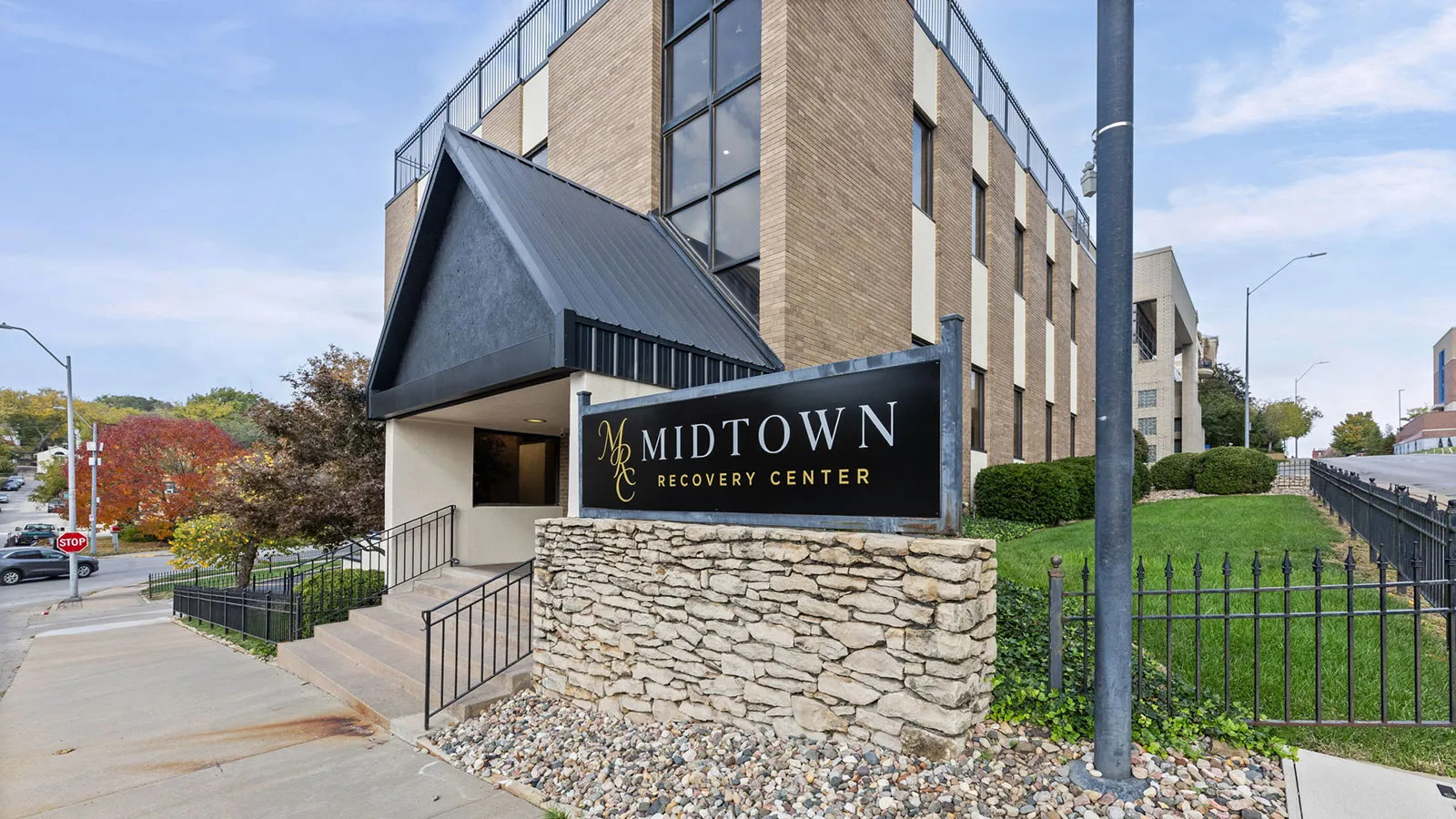
Where Sessions Take Place
Treatment takes place in person at our two-story building at 1000 W 46th Street in Kansas City, MO. The facility has three group rooms, private offices, and a client lounge designed to feel comfortable and private.
Getting Started
Admissions is available 24 hours a day, seven days a week. Same-day admission may be available once your insurance is verified and your assessment is complete.
We know that taking the first step can feel heavy. A call to us is a chance to ask your questions and find out what comes next. Call us any time or use the verify button on this page.
Is It Covered?
It’s normal for many people to worry about cost before they ask about care, and that’s understandable. Here’s what you need to know:
We work with all major commercial insurance companies. Many commercial plans cover outpatient addiction treatment, but benefits differ from one case to another. Verifying yours is the best first step.
Payment plans are available. We can also provide you with private-pay rates upon request.
FAQs
Does EMDR work for addiction?+−
EMDR is best known as a PTSD treatment. Since painful memories can trigger cravings, processing them may reduce that pull. It works best alongside other care, such as CBT and group therapy.
What does "trauma-informed" mean?+−
It means your team understands how trauma shapes behavior and cravings. Treatment moves at your pace and puts your safety first.
How is this different from regular talk therapy?+−
Trauma-informed therapy still involves talking, but it also teaches your body-based skills, such as grounding techniques and mindful breathing. It treats trauma and addiction together, which standard talk therapy may not.
Can holistic therapies replace traditional addiction treatment?+−
No. Holistic practices such as mindfulness, meditation, and movement can support healing, but they work best alongside evidence-based treatment like CBT, DBT, and EMDR, not in place of it.
Can this help if I also have depression or anxiety?+−
Yes. Trauma-informed care treats mental health conditions and substance use together, which is the goal of dual diagnosis treatment. Addressing both gives you a stronger base for recovery.
Is this approach right for alcohol addiction?+−
Yes. Trauma and stress can drive alcohol addiction and other substance abuse alike. Therapy addresses those causes and then builds coping skills to deal with cravings.
Our Team
Clinical Director
LCSW
We Accept Most Major Insurance Plans
Don't let cost be a barrier to recovery. Most treatment is covered by insurance.
Start Your Recovery Today — Same Day Admissions Available
24/7 Admissions Support