
Treatment
Benzodiazepine Treatment
Written by: Midtown Recovery Center Editorial TeamPublished: September 23, 2026Updated: October 27, 2026
Understanding benzodiazepine addiction
Benzodiazepine addiction is a type of substance use disorder that affects a significant percentage of the U.S. population. It can happen as a result of prolonged drug misuse, to the point that any attempts at limiting intake cause painful withdrawal symptoms.
Substance use disorder is a serious mental health disorder and medical disease.
It’s characterized by a person’s inability to stop using a certain addictive drug despite being aware of its harmful impact on their physical, mental, and psychological well-being as well as their quality of life. However, it’s not due to a lack of willpower but to physical dependence.
The good news is that SUD is treatable using a combination of FDA-approved drugs that reduce withdrawal severity and manage cravings alongside behavioral therapy. Clinically, this approach is known as medication-assisted treatment (MAT).

Why it happens
Researchers believe that one or a blend of several risk factors might contribute to the development of benzodiazepine addiction or dependence in a person, including:
- Being inclined to self-medicate.
- Having a family history of benzodiazepine addiction, or living in a household or a neighborhood where benzos are accessible.
- Constantly being subject to peer pressure.
- Taking benzodiazepines as a way to cope with tough situations, like losing a pet or loved one, unemployment, being in huge debt, or homelessness.
- Suffering from an undiagnosed and untreated mental disorder, such as depression, anxiety, OCD, or PTSD. This is known as a co-occurring disorder, dual diagnosis, or psychiatric comorbidity.
- Early exposure to benzodiazepines.
- Childhood trauma, or experiencing a traumatic event as an adult (physical or sexual assault, a natural disaster, etc.).
- Chronic physical pain.
How dependence develops
Benzodiazepine dependence always begins with self-medication.
Usually, self-medication develops as an unhealthy coping behavior to deal with unwanted emotions or thoughts: repressed guilt, grief, or stress about past trauma, financial struggles, relationship problems, or work-related issues.
Most people don’t realize that taking more of the drug than prescribed is counted as substance abuse, and they might end up developing a dependence without being aware of it. By the time that worrisome symptoms start showing, it might have developed into a full-on addiction.
Tolerance happens when the body and brain get used to a certain amount of benzodiazepine in the bloodstream. Over time, this dose doesn’t produce the wanted calming effect, propelling users to increase their intake to get the desired effects.
Then comes physical dependence, which triggers painful withdrawal symptoms once individuals try to cut down on their benzodiazepine consumption after weeks or months of taking it regularly.
Addiction (or substance use disorder) is an advanced stage where the condition becomes more psychological and behavioral than a physical adaptation. There’s a general loss of control, overpowering cravings, and the urge to keep using the drug despite its negative effects.
Who needs benzodiazepine addiction treatment
There might be some subtle early signs of benzodiazepine abuse that you need to identify to decide whether it’s time for intervention. Look for these behaviors in your everyday life (or that of someone you care about):
- Increased withdrawal from friends, family, and other obligations to use the drug.
- Engaging in risky activity (like driving) after taking the drug.
- Being secretive or lying about drug use.
- Frequent mood swings and the appearance of uncharacteristic personality traits.
- Making sure an adequate supply of the drug is always within reach (in the car, at home, on their person, etc.)
- Looking disheveled, with poor hygiene and no regard for physical appearance.
- Borrowing money, maxing out a credit card, or even stealing to afford maintaining a never-ending supply of the drug.
- Spending more and more time, effort, and money on obtaining, using, and recovering from the effects of the drug.
Is this treatment for you
You do not need to be taking large doses or buying pills on the street for benzodiazepine treatment to be the right call. Many of the people we see started with a legitimate prescription. If several of the following describe you, a clinical assessment is worth your time:
- Daily use for more than a few weeks, whether prescribed or not, and the dose no longer does what it used to.
- Symptoms between doses: shakiness, racing heart, sweating, or a spike in anxiety in the morning before the first pill.
- A previous withdrawal episode, especially one that included a seizure, confusion, or a trip to the emergency room.
- Failed attempts to cut down on your own, or running out early and feeling panicked about it.
- Mixing with alcohol or opioids to get the calm you used to get from benzos alone.
- Using more than one prescriber or pharmacy to keep the supply going.
If your use is lighter than this, you may still benefit from care, just at a less intensive level. Because Midtown Recovery Center is outpatient only, you can get structured treatment while staying at home. The assessment decides whether you start at PHP, IOP, or standard outpatient, and whether a medically supervised detox needs to come first.
Signs of benzodiazepine addiction
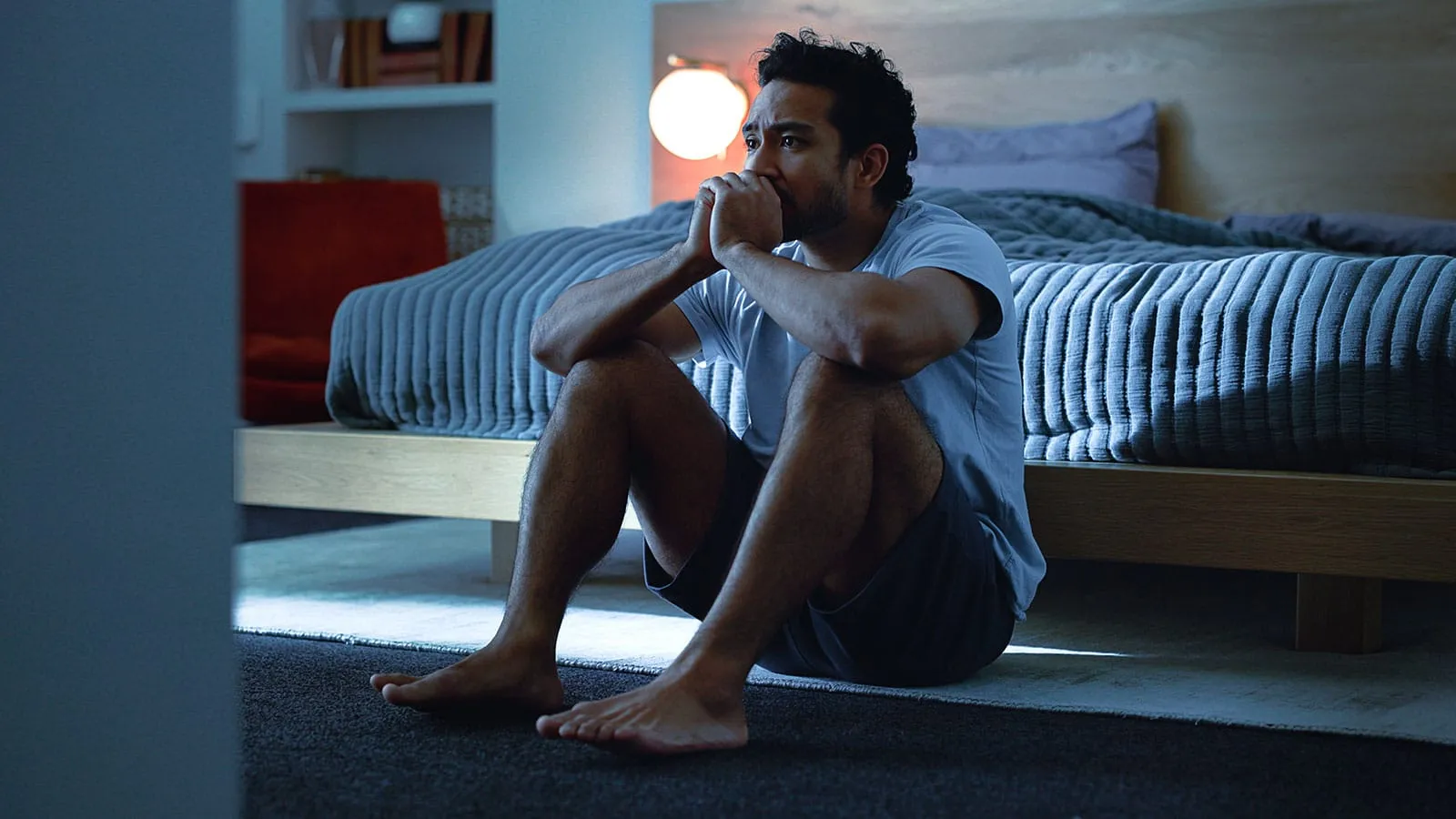
Signs of benzodiazepine dependence appear as short-term side effects, which might then develop into long-term complications if you keep going.
Side effects
Side Effects (What Is Happening to You Now)
- Anxiety and irritability
- Forgetfulness
- Drowsiness, confusion, and dizziness
- Weakness
- Slurred speech and blurred vision
- Difficulty breathing
- Lack of coordination
Overdose is also a short-term risk of taking higher doses of benzodiazepines, especially if you take them with alcohol or opiates. If you notice any of the following symptoms, get help immediately:
- Tremors
- Extreme dizziness
- Increased disorientation
- Blurred vision
- Confusion
- Coma
Long-term effects
Prolonged dependence on benzodiazepines alters the brain’s chemistry and impairs its functions. The brain finds it exceedingly harder to work properly without its normal dosage of the drug; yet with chronic misuse, there’ll be an increased risk of memory-related issues.
Other long-term complications of benzo abuse involve:
Withdrawal from benzodiazepines
The first thing that concerns people with benzodiazepine dependence or addiction issues is how withdrawal will go. Will it be painful? Will they be prescribed medications to lower the severity of their symptoms?
You can only get the precise answer to these questions through a medical assessment. The response of every person’s body to withdrawing drugs varies, based on how long they’ve been using, the drug’s potency, the dosage amount, etc.
However, there’s a general withdrawal timeline that can give you a broad idea of what symptoms to expect during each phase after abstinence.
Symptoms
Benzodiazepine withdrawal has its own set of potential risks as the brain and body find it difficult to survive without the usual drug dose. The following symptoms necessitate immediate medical intervention (another reason why you shouldn’t try withdrawal at home):
- Delirium and extreme confusion
- Seizures and uncontrollable shaking
- Loss of consciousness
- Dangerously high heart rate or blood pressure
- Psychosis and hallucinations
Timeline
Benzodiazepine withdrawal symptoms start mild in the early phase, then escalate in severity in the peak stage.
In the final stage, most patients start feeling physically better, although some lingering symptoms might stay for a few weeks or months afterward, which is called PAWS (post-acute withdrawal syndrome).
| Phase | Duration since last dose | Symptoms |
|---|---|---|
| Early (Onset) | 6-12 hours (can last a few days) | The return of anxiety, insomnia, and other symptoms that the drug was first used to numb |
| Peak (Acute) | Week 2 (can last two weeks or more) |
The major bulk of withdrawal symptoms: Anxiety, insomnia, panic, muscle tension or spasms, blurred vision, seizures, diarrhea, nausea, vomiting, short-term memory issues, brain fog and confusion, severe mood swings, intense cravings, a decrease in appetite, extreme weight loss, suicidal thoughts or attempts |
| Late (PAWS) | Several months or even a year later | Restlessness and tingling in the arms and legs, lingering anxiety and insomnia, muscle twitches, depression, mood swings, and other sudden, unpredictable symptoms |
Because symptoms can escalate in severity during the peak phase, it’s not recommended to go through detox at home. This is the phase where patients can benefit from receiving care in a controlled, 24/7-monitored setting (medical detox) so that they won’t harm themselves or others.
Most of the symptoms experienced in this stage can be managed using specific FDA-approved medications. Simultaneously, structured individual counseling or group therapy (or both) helps people deal with thoughts of suicide and self-harm that come with acute withdrawal.
Mental health treatment alongside substance use treatment in a dual-diagnosis program covers common co-occurring disorders as well. These involve depression, anxiety, PTSD, and others.
Treatment options for benzodiazepine addiction

Benzodiazepine treatment is a sequence, not a single event. Because withdrawal can be medically dangerous, the first question is whether you need a supervised detox before anything else. If you do, our team arranges placement with a detox partner, and you step into our outpatient care once you are medically stable.
From there, the level of care matches the severity of your use and how much structure you need. Each level below combines therapy, medication management, and a plan for the anxiety or insomnia the benzos were covering up.
How long each stage takes
Most people complete benzodiazepine treatment in a few months, moving through stages as they stabilize:
- Medical detox (if needed): typically one to two weeks under supervision at a partner facility, though benzodiazepine detox can run longer than detox from other drugs.
- PHP: 4 to 6 weeks of full-day programming.
- IOP: 30 to 90 days, with a daytime or evening track.
- OP: ongoing sessions on a schedule and for a length set with your treatment team.
A high dose, long-term use, a history of seizures, or a co-occurring condition such as panic disorder or PTSD tends to extend the timeline. A shorter history of use, a stable home, and steady attendance tend to shorten it.
Can it wait
No. The longer you wait until you receive treatment, the more of the drug you’ll be consuming and the more advanced your condition will become, even if the signs aren’t immediately noticeable.
It helps no one to seek help only when your condition gets worse; this means treatment could take longer and require more complex measures.
If you start seeing early signs of tolerance or dependence, contact our treatment facility to prevent the escalation to an addiction. Don’t wait until the symptoms become so severe that they prevent you from performing normal daily functions.
Therapies used for benzodiazepine addiction

Getting off benzodiazepines safely is only half the job. The other half is treating what the drug was managing in the first place, which is usually anxiety, panic, trauma, or insomnia. If that part is skipped, the pull back toward the medication stays strong.
Our therapy staff is credentialed in CBT, DBT, and EMDR, and treatment also includes group and family therapy, with medication coordinated by your treatment team when it is part of your plan. The modalities below are combined into a plan built around your assessment.
Logistics: what actually happens
Wondering about the logistics of treatment at the Midtown Recovery Center? Here’s all you need to know:
Kids, pets, and the household while you are away
Because every program at Midtown is outpatient, you come home every day, and most of your household keeps running as it does now. Our team helps you map this out during intake, and family sessions give the household a place to work out who is covering what.
Who treats you here
Our medical staff prioritizes empathy, professionalism, and consistent support in addiction treatment. Your treatment will be under the supervision of Joshua Sprung, Clinical Director, and Pamela Tambini, MD, Medical Director.
We also have a therapy staff credentialed in CBT, DBT, and EMDR. Many of our team members are in recovery themselves or have seen addiction up close in their own families.
Is it safe to detox at home
No. Benzodiazepine withdrawal is one of the few drug withdrawals that can be fatal, and stopping suddenly is the most dangerous way to do it. Along with alcohol, benzos are in the small group of substances where quitting cold turkey can cause grand mal seizures, delirium, and dangerous swings in heart rate and blood pressure. These are not rare complications; they are the expected risk of abrupt cessation after regular use.
At home, there is no one to recognize the early signs of a seizure, no one to manage the psychosis or severe confusion that can appear in the peak phase, and no one to intervene if suicidal thoughts take over. The withdrawal timeline on this page shows how fast symptoms can escalate between days 2 and 14.
Safe benzodiazepine detox is a gradual, physician-managed process, never an abrupt stop. We do not offer detox on site. Our Detox and Placement Services team arranges a supervised medical detox with a partner facility, and you transition to our outpatient program once you are stable. Please do not stop taking benzodiazepines on your own before that assessment.
What happens when you call
Admissions is available 24/7. Same-day admission can be arranged as well, only after undergoing assessment and verification of your insurance.
Your job
No; your boss isn’t allowed to inquire about your specific diagnosis, only that you need medical leave. They’ll get no information about the name of the treatment facility or any therapies or meds you’ll be receiving.
However, you may need to reach out to them about any changes in your work schedule to accommodate your treatment and therapy sessions. You can also make arrangements for remote work or flexible hours.
What it costs, really
What you pay depends almost entirely on your insurance plan and which level of care you need. Midtown Recovery Center works with all major commercial insurance plans, and outpatient treatment is generally covered as a mental health or substance use benefit.
Your out-of-pocket cost is driven by a few things:
- Your deductible and how much of it you have already met this year.
- Copays or coinsurance for each day or session of programming.
- Level of care. PHP costs more per week than IOP, which costs more than standard outpatient.
- Detox, which is billed separately by the partner facility, and any prescribed medications.
- Whether we are in network with your specific plan.
If you have no insurance or want to keep treatment off your insurance record, we offer private-pay rates on request and payment plans that spread the cost over time. The fastest way to get a real number is to fill out our insurance verification form; we check your benefits and tell you what to expect before you commit to anything.
Where you will sleep, what to bring, phones and visitors
All of our programs are outpatient, so you sleep in your own bed every night. Treatment takes place at our two-story building at 1000 W 46th Street in Kansas City, which has three group rooms, private offices for individual sessions, and a client lounge for breaks between sessions.
A PHP day runs most of the business day and mixes group therapy, individual sessions, and medication check-ins. IOP is a few hours per day, several days a week, with an evening track if you work or go to school. Standard outpatient is usually one or two sessions a week.
Bring a government ID, your insurance card, a list of your current medications, including the benzodiazepine prescription itself, and anything else on our intake list. Your admissions coordinator goes over the full what-to-bring list before your first day. Phones are generally kept away during group time so sessions stay private. Because you go home each day, visitors are not part of the program, though family members join scheduled family sessions. Ask admissions for directions and arrival details when you schedule your first day.
How long you will stay
Most people are in active treatment with us for two to four months, though you are never away from home overnight. A typical path is 4 to 6 weeks of PHP followed by 30 to 90 days of IOP, then a step down to standard outpatient. Some people skip PHP and start in IOP; others need a supervised detox at a partner facility first, which adds time at the front end.
Length is set by your progress, not a calendar. How long you used, your dose, co-occurring anxiety or trauma, and how stable things are at home all factor in, and your team reviews the plan with you as you go.
For family

Approaching a loved one about their benzodiazepine problem can seem challenging. Choose the right time and place to do that, and use a judgment-free, compassionate, and genuine tone when talking to them about behaviors that concern you.
Avoid accusations, blame, or shame, and instead focus on letting them know that your only desire is to help them recover from addiction. Inform them that you’re ready to research treatment facilities, help with admission, or drive them to their chosen center.
You can also be part of your loved one’s recovery process; at Midtown Recovery, family therapy sessions can be held up to once a week.
How to start the conversation
Pick a moment when they are calm and not impaired, ideally in the morning before they have taken anything or at a quiet time when you will not be interrupted. Do not bring it up in the middle of an argument or after a scare; fear and shame shut the conversation down fast.
What works:
- Lead with specifics, not labels. “I noticed you ran out of your prescription two weeks early” lands better than “you’re an addict.”
- Name your worry, not their failure. Say you are scared about seizures or about them mixing pills with alcohol. Benzodiazepine withdrawal is dangerous, and that is worth saying plainly.
- Acknowledge how it started. Many people began with a real prescription for real anxiety. Validating that removes the defensiveness.
- Offer one concrete next step, like calling for an assessment together, rather than an open-ended demand to quit.
What backfires: ultimatums you will not keep, flushing their pills (which can trigger a dangerous withdrawal), lecturing about willpower, and bringing in a crowd. One or two trusted people is enough for a first conversation.
Expect pushback. The goal of the first talk is not a yes; it is keeping the door open for the second one.
If they refuse
A no is common and rarely final. People with benzodiazepine dependence are often terrified of withdrawal, and that fear can look like denial. Keep the relationship intact and try again later.
If repeated conversations go nowhere, a formal intervention led by a professional interventionist can help. A good interventionist plans the meeting, coaches the family, and has a treatment plan ready to go the same day. Our admissions team can point you toward interventionists who work in the Kansas City area.
What not to do:
- Do not take their pills away or force an abrupt stop. Sudden benzodiazepine withdrawal can cause seizures.
- Do not stage a surprise confrontation without a plan.
- Do not make threats you will not follow through on.
If they become confused, have a seizure, stop breathing normally, or talk about ending their life, call 911. For anything short of an emergency, their primary care doctor, a crisis line, or our admissions team can help you figure out the next step, even if they have not agreed to treatment.
Contact and visiting during treatment
Because every level of care at Midtown Recovery Center is outpatient, your loved one comes home each evening. There are no visiting hours to plan around, and you can talk to them whenever they are not in session.
Your involvement in treatment runs through family therapy, which can be scheduled up to once a week with their therapist. Those sessions are where you learn what they are working on, how to support the plan at home, and what to do if things wobble. Your loved one’s treatment team is your point of contact for family sessions; admissions can connect you, and with your loved one’s written release the team can share updates with you directly. Clinical details are shared only with their written consent.
What to expect when they come home
In outpatient care, “coming home” happens every day, so the adjustment is gradual rather than a single return. The first 90 days after stepping down from structured programming are still the highest-risk window, and the challenges with benzodiazepines are specific.
Expect lingering anxiety, insomnia, and mood swings for weeks or months. That is post-acute withdrawal, not a sign that treatment failed, and it is exactly what their therapy and medication plan are built to manage. Rebound anxiety is also the most common trigger for relapse, so watch for:
- Talk of “just needing something to sleep” or asking other people for pills.
- Skipping sessions or dropping their aftercare plan.
- Drinking more, since alcohol hits the same brain receptors.
- Isolation, secrecy, or a return of the behaviors you noticed before.
Set a few clear boundaries ahead of time: no benzodiazepines or alcohol in the house, and an agreement that prescriptions go through their treating physician only. Keep your own expectations realistic. Recovery is uneven, and a hard week is not the same as a relapse.
Support for you
Living with someone’s benzodiazepine dependence wears you down, and your recovery matters too. Family therapy at Midtown Recovery Center gives you a place to say the hard things with a clinician in the room.
Outside of treatment, Nar-Anon and Al-Anon family groups meet throughout the Kansas City area and online, and NAMI family programs are a good fit when anxiety, depression, or another mental health condition sits alongside the substance use. Midtown also runs its own family group as part of aftercare; ask admissions how to join. Your own therapist is also worth considering. Boundaries are easier to hold when someone is helping you hold them.
Aftercare

Some of our continued care services span family support groups, alumni groups, and arrangements with local sober living homes for relapse prevention.
Frequently Asked Questions
What levels of care are available for benzodiazepine addiction treatment?+−
The Midtown Recovery Center has a partial hospitalization program (PHP), intensive outpatient program (IOP), and regular outpatient services (OP). Medication-assisted treatment (MAT) runs across all programs as per each client’s specific needs. PHPs are open Monday to Saturday, 9:00 am to 2:45 pm, and the IOP has two tracks. The day track is 9:00 am to 12:00 pm, and the evening track is 5:30 pm to 8:30 pm. Outpatient care is our most flexible level; the schedule and length are set with your treatment team.
Are benzodiazepines more addictive than opioids?+−
No. Benzos are classified as Schedule IV substances. What this means is that they have a potential for dependence that’s lower than for some other substances, such as opioid painkillers and some specific stimulants.
What should I do if I notice signs of benzodiazepine overdose in a person?+−
Call 911 immediately. While you wait, keep the person awake and talking, check that they are breathing, and roll them onto their side in case they vomit. If opioids may also be involved, which is common, give naloxone (Narcan): it reverses opioid overdose and won't cause harm if no opioids are present. Stay with them until help arrives.
We Accept Most Major Insurance Plans
Don't let cost be a barrier to recovery. Most treatment is covered by insurance.
Our Team
Medical Director
MD
Clinical Director
LCSW
Admissions Coordinator
Start Your Recovery Today — Same Day Admissions Available
24/7 Admissions Support