
Treatment Program
Outpatient Program (OP)
Written by: Midtown Recovery Center Editorial TeamPublished: October 23, 2026Updated: October 27, 2026
What Outpatient Addiction Treatment Is
Asking for help with addiction takes courage. It also raises practical questions. Can you keep working? Will your family be involved? What does treatment even look like?
Outpatient addiction treatment in Kansas City, MO, answers those questions with structured care for substance use disorders. You get real support and still sleep in your own bed.
This guide explains how OP works, who it fits, and what to expect at Midtown Recovery Center.

Outpatient addiction treatment is structured care for substance use disorders that fits around your daily life. You live at home, attend scheduled sessions at Midtown Recovery Center in Kansas City, MO, and return to your routine afterward.
Care includes individual counseling, group therapy, and case management. Medication management is only part of the program when it fits your needs. Your treatment team sets your weekly schedule with you at intake.
At Midtown, outpatient care is one of several levels of care. The others include partial hospitalization (PHP) and the intensive outpatient program (IOP). Each level offers a different amount of weekly structure.
As such, you can start where you are and move up or down as your needs change.
Is Outpatient the Right Level of Care For You?
Choosing a level of care can feel overwhelming. Fortunately, you don’t have to guess. An assessment with the admissions team helps match you to the right one.
Who Outpatient Is For
Outpatient care may fit you if:
- You are starting treatment for the first time.
- You want to keep working, studying, or caring for family.
- You have a safe, supportive place to live.
- You are medically stable and not in active withdrawal.
- You are stepping down from PHP, IOP, or residential treatment.
- You are ready to take part in group therapy and individual counseling.
If several of these sound like you, consider an outpatient program.
Outpatient also works well as ongoing support after a higher level of care. Cravings and relapse prevention work continue in a steady setting.
Who Needs More Support First
Some people need a higher level of care before transitioning to outpatient treatment. For instance, those who are showing active withdrawal symptoms count. Since alcohol and certain other substances can cause dangerous withdrawal, they need to go through medical detox first.
Note: Midtown doesn’t provide detox or inpatient care. Instead, your admissions team can refer you to a provider that does.
Many people in treatment also live with co-occurring mental health disorders, such as depression or bipolar disorder. That doesn’t rule out outpatient care. Tell the admissions team so your assessment accurately reflects your needs.
Outpatient vs. Other Levels of Care
The table below shows how outpatient compares with the other levels of care. Your assessment decides the best match.
| Levels of Care | Schedule | Typical Length | Best Fit |
|---|---|---|---|
| PHP | Monday to Saturday, 9:00 am to 2:45 pm | 4 to 6 weeks | Daily structure while living at home |
| IOP | Day track 9:00 am to 12:00 pm; evening track 5:30 pm to 8:30 pm | From 30 to 90 days | Regular support around work or school |
| Outpatient (OP) | Set with your treatment team | Set with your treatment team | Lighter weekly support |
| Residential or inpatient (referral) | Live-in, 24 hours | Varies by provider | Round-the-clock support |
Levels of care aren’t a one-way street. Many people step down from PHP to IOP to outpatient as they gain stability.
Still not sure which row sounds like you? Our admissions team is available 24/7, so call us any time.
What Outpatient Treatment Is Like?

Outpatient treatment gives your week a steady rhythm. You attend scheduled sessions, then practice what you learn at home, at work, and with your family. Over time, that routine builds habits that support lasting recovery.
What Your Care Includes
Your treatment plan starts with your own goals. From there, your care team builds a mix of outpatient services, which may include:
- Individual counseling to work on triggers and goals
- Group therapy for peer support and shared skills
- Case management to coordinate your next steps
- Medication management when it fits your plan
- Family sessions, held up to once a week
In individual sessions, you work privately with a counselor on your triggers and goals. In group therapy, you learn from peers who understand what you face. Family sessions bring loved ones into the process, which helps rebuild trust at home.
Further, our staff is credentialed in CBT, DBT, and EMDR. These evidence-based therapies help you change unhelpful thinking, manage strong emotions, and process painful experiences. As a result, you gain practical tools for cravings and relapse prevention.
Medication-Assisted Treatment
Medication can also support your recovery. Midtown offers Suboxone, Sublocade, and Vivitrol as part of medication-assisted treatment (MAT).
For some people, these medications can reduce cravings. Some also ease withdrawal symptoms. More importantly, medication works best alongside counseling. Your care team can explain which option fits your situation.
A Typical Week
Outpatient is our lightest level of care, so your week has fewer treatment hours than PHP or IOP and more time in your normal routine. Your treatment team sets your schedule with you at intake based on your assessment, work hours, and goals, and adjusts it as you progress.
For reference, the IOP day track runs from 9:00 am to 12:00 pm and the evening track from 5:30 pm to 8:30 pm. Outpatient sessions are shorter and less frequent than that.
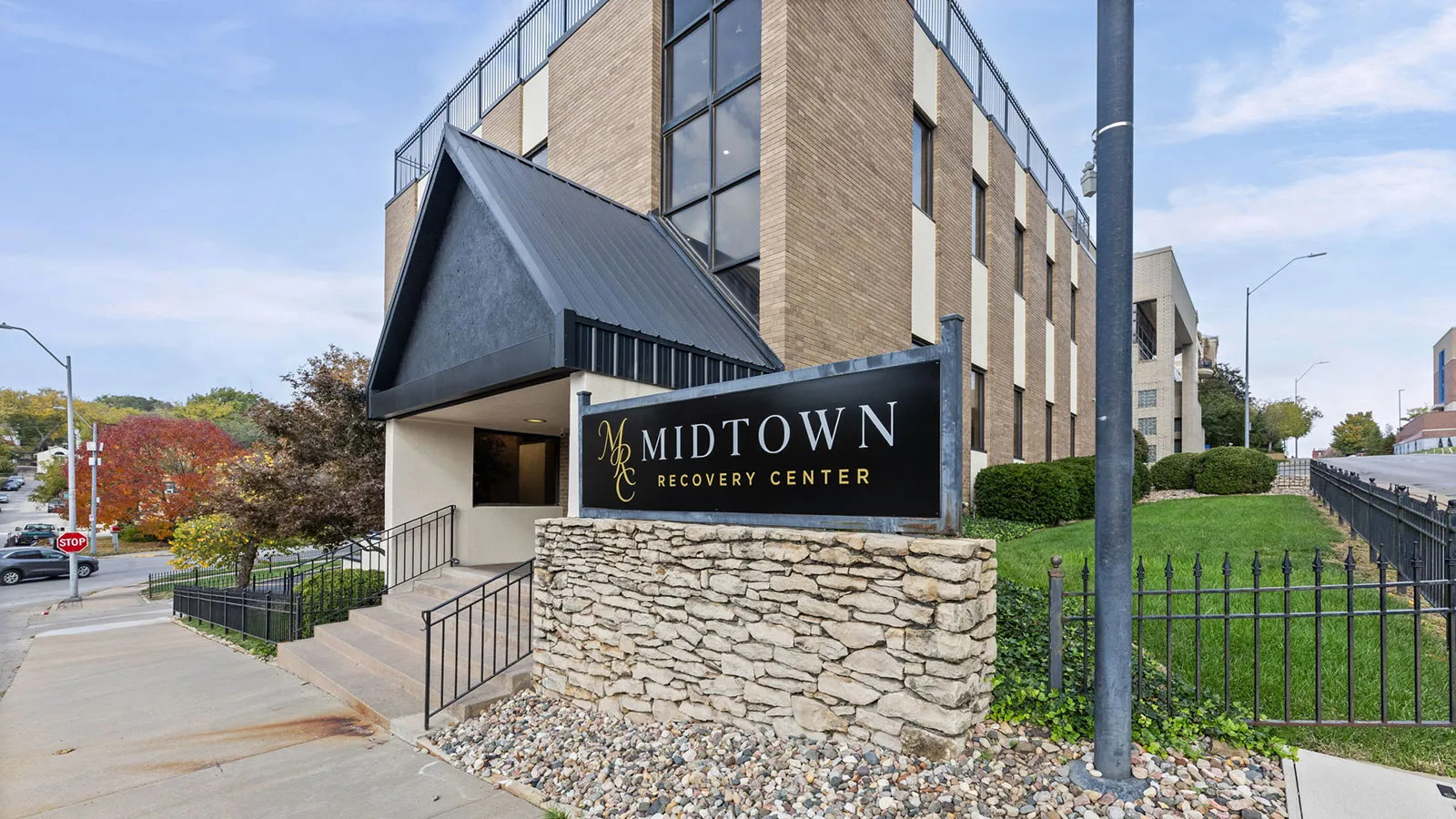
Sessions take place in a two-story building with three group rooms, private offices, and a client lounge, so you have space for both group and one-on-one work.
Conditions Outpatient Care Can Support
Outpatient care can support people with many substance use disorders. These include alcohol use disorder, opioid use, cocaine use, and methamphetamine use.
Many people also live with co-occurring mental health conditions, such as depression, anxiety, or bipolar disorder. Since the two often affect each other, dual diagnosis care addresses both together.
How Long Treatment Lasts
How long outpatient treatment lasts depends on your progress and needs, and your treatment team sets the expected length with you at intake. Many people also step down through levels of care over time, from PHP to IOP to outpatient. Recovery rarely follows a straight line, so your plan can change as you do.
Logistics: How Outpatient Fits Your Life
Practical questions matter as much as clinical ones. Since you have a life to keep running, it helps to know how outpatient substance abuse treatment fits into it.
What Happens When You Call
Admissions is available 24/7, so you can call at any hour. To speed things up, keep your insurance card, a list of current medications, and a short summary of your substance use nearby. Here’s what to expect:
- A member of the admissions team listens and answers your questions.
- The team verifies your insurance benefits.
- You complete an assessment to find the right level of care.
- You and the team plan your first session.
Note: The assessment covers your substance use, your health history, and any mental health concerns. Your answers help the team recommend a level of care, and they also guide your treatment plan.
Same-day admission may be available once your insurance is verified and your assessment is complete. If you’re unsure, call anyway! The team can walk you through the next step.
Keeping Your Job
Many people worry that treatment means leaving work. Fortunately, many programs are designed around daily life. For example, the IOP evening track runs from 5:30 pm to 8:30 pm, which suits people who work or go to school.
As such, you can ask admissions which schedule fits your hours. Being open about your work hours helps the team plan around them.
Getting There
Midtown is at 1000 W 46th Street in Kansas City, Missouri. The two-story building is designed to feel comfortable and upscale. This way, you can focus on your recovery. Remember: your first visit is easier when you know where to go, so ask admissions for directions when you call.
What It Costs
Cost is a common concern, so it helps to know how coverage works. We work with all major commercial insurance companies. That said, coverage varies by plan. The team will help verify your benefits before you begin.
Note: Midtown doesn’t accept Medicaid or Medicare.
Verifying benefits shows what your plan may cover for outpatient care. As a result, you know what to expect before you commit. You can also use the Verify Insurance button on this page. Payment plans are available, and private-pay rates are provided on request.
If You Miss a Session
Life sometimes interrupts even the best plans. If you need to miss a session, let your care team know as soon as you can so they can adjust your plan and catch you up. Your treatment team goes over attendance expectations with you at intake.
With your written permission, your care team can keep a named family member updated on how treatment is going.
What Outpatient Treatment Means for Family

Addiction affects everyone close to the person struggling with it. If you’re a spouse, partner, parent, or adult child, you may feel worried and unsure what to do. Luckily, outpatient care gives you plenty of opportunities to help.
How to Provide Support Without Policing
Checking phones or questioning every outing often backfires, since it breeds secrecy and strain. Listening works better in these situations. Ask how their day went and celebrate their progress. And whenever you set a boundary, state it calmly and follow through.
How Family Sessions Help
Family sessions are part of the program and can be held up to once a week. In family therapy, you and your loved one talk openly about how addiction has affected the home.
As such, everyone learns how to rebuild trust together. Make sure to ask admissions how to join. Your loved one’s treatment team arranges the sessions and helps decide who should take part.
Living Together During Outpatient Care
Because your loved one returns home each day, your household plays a big role in their recovery journey. Accordingly, these steps can help:
- Keep alcohol and other substances out of the house.
- Learn the warning signs of relapse, such as missed sessions or sudden mood changes.
- Agree on household boundaries together, and revisit them as needed.
- Tell the care team if something worries you.
Remember: taking care of yourself matters too, so you can keep showing up for them. After all, you can’t pour from an empty cup
Aftercare: What Comes After Outpatient Treatment

Finishing treatment is a milestone, but recovery continues afterward. Since cravings and stress can unexpectedly return, a plan for what comes next can protect your progress so far.
Aftercare at Midtown includes:
- An alumni group to stay connected with peers who completed treatment
- A family group so loved ones keep building healthy habits together
- Relationships with local sober living homes for those who need a stable place to live
As you can see, you’re never left to figure out life after treatment alone. Your care team helps you build a relapse prevention plan. Many people also add community support groups, such as Alcoholics Anonymous, for ongoing peer support.
Ready to take the next step? Call admissions any time, day or night, or use the Verify Insurance button on this page.
FAQs
Do I need to detox before starting outpatient treatment?+−
If you’re in active withdrawal, then yes, you need medical detox first, since withdrawal from alcohol and certain other substances can be dangerous. Midtown doesn’t provide detox, but our admissions can refer you to a provider that does.
Can I work during outpatient treatment?+−
Many people do. Since outpatient care happens at scheduled times, you can plan around it. Ask admissions about OP schedules in order to choose one that fits your work hours.
What's the difference between IOP and outpatient?+−
Both let you live at home, but they differ in structure. IOP, for example, has a day track and an evening track, and it typically lasts from 30 to 90 days. Outpatient offers lighter weekly support. Your assessment helps decide which fits.
Does outpatient treatment include medication for opioid or alcohol use disorder?+−
Yes, medication-assisted treatment is available. Midtown offers Suboxone, Sublocade, and Vivitrol. These medications can reduce cravings, and they work best alongside counseling. Your care team can explain which one fits your needs.
Do you take Medicaid or Medicare?+−
No. We don’t accept Medicaid or Medicare. We work with all major commercial insurance companies, and the team verifies your benefits before you begin. Payment plans are available too.
Can my family be involved?+−
Absolutely. Family sessions are part of the program and can be held up to once a week. These sessions help loved ones understand addiction and rebuild lost trust. Midtown also offers a family group as part of aftercare.
We Accept Most Major Insurance Plans
Don't let cost be a barrier to recovery. Most treatment is covered by insurance.
Our Team
Clinical Director
LCSW