
Treatment Program
Detox & Placement Services
Written by: Midtown Recovery Center Editorial TeamPublished: September 23, 2026Updated: October 27, 2026
What Medical Detox Is and How Midtown Fits In
Stopping drugs or alcohol after long-term use can be painful and, at times, dangerous. That’s why medical detox in Kansas City, MO, is an essential step.
During the program, clinicians monitor withdrawal symptoms and keep the person safe and as comfortable as possible. Detox also clears substances from the body. It doesn’t treat substance use disorders, however, so what follows detox counts just as much.
At Midtown Recovery Center, we guide you toward that care once you’ve finished the detox program. Admission here is available 24/7.

Medical detox is a supervised process that helps your body clear drugs or alcohol safely. Clinicians monitor you closely and treat withdrawal symptoms as they appear. That lowers the risk of serious complications and gives you a stable starting point for treatment.
Further, withdrawal looks different depending on the substance. For instance, opioid withdrawal often brings aches, nausea, and strong cravings. Meanwhile, alcohol withdrawal can bring about seizures.
Fortunately, a medical team can manage these symptoms safely, while quitting alone rarely offers that protection. That said, a typical medical detox stay includes:
- Round-the-clock monitoring of vital signs
- Medication to ease withdrawal symptoms when appropriate
- An assessment to plan your next steps
Where Midtown Fits In
Midtown Recovery Center is an outpatient addiction treatment center in Kansas City, MO. We don’t provide detox or residential treatment, so we refer you to a detox provider when you need one.
Once detox ends, we pick up from there. Our PHP, IOP, and outpatient services give you the structure to treat substance use disorders and build lasting recovery. PHP runs Monday to Saturday, so your days stay structured while you rebuild.
Is Detox the Right First Step for You?
Detox is the right first step if stopping would put you into withdrawal that needs medical care. If you are already through withdrawal, or your use does not produce dangerous withdrawal, you may be able to start directly in PHP, IOP, or outpatient care. Your assessment with our admissions team decides.
Who Needs Medical Detox First
Not everyone needs detox before treatment. Some people do, though, and knowing the signs can protect your health. After all, your body’s reaction depends on the substance, how much you use, and how long you have used it.
Let’s take a closer look:
- Alcohol: Withdrawal can cause seizures and confusion. It can become life-threatening, so medical care matters.
- Opioids: Withdrawal from heroin or prescription opioids feels like a severe flu. It’s rarely dangerous, but the cravings are intense, and support helps you get through them.
- Cocaine and methamphetamine: Withdrawal brings exhaustion, deep low moods, and strong cravings. Some people feel hopeless, so close monitoring keeps you safe.
More importantly, medical detox is the safer starting point if any of these apply to you:
- You’ve had seizures or severe symptoms when you stopped before
- You use more than one substance
- You’ve tried to quit at home and relapsed
- You have a health condition that makes withdrawal riskier
Mental health also plays a part. Many people with substance use disorders live with mental health disorders, such as depression or anxiety. Clinicians call this dual diagnosis, or co-occurring disorders.
Stopping a substance can make those mental symptoms louder. That’s why a medical team has to be present. They can catch such problems early and adjust your care.
Unsure where you fit? That’s okay. Call us. Admissions is available 24/7, and we help you find the right next step.
Who Needs Residential Care After Detox
For some people, detox alone is not enough of a bridge to outpatient treatment. Residential treatment may come next if your home is not safe or substance-free, if previous outpatient attempts ended in relapse within days, or if your mental health is unstable enough that you need 24-hour support for a while.
Midtown does not provide residential treatment. If you need it, our admissions team can refer you to a provider that offers it, and you can step down into our programs when you are ready.
Is Detox Enough? Levels of Care After Detox
Detox clears substances from your body, but it doesn’t address why you started using them. That’s why most people need substance use disorder treatment afterward, since cravings and triggers don’t vanish when withdrawal ends.
Here’s how our outpatient levels of care compare:
| Level of Care | Schedule | Typical Length | Best For |
|---|---|---|---|
| PHP | Monday to Saturday, 9:00 am to 2:45 pm | 4 to 6 weeks | Daily structure right after detox |
| IOP (day track) | 9:00 am to 12:00 pm | 30 to 90 days | Stepping down from PHP |
| IOP (evening track) | 5:30 pm to 8:30 pm | 30 to 90 days | Working or studying |
| Outpatient (OP) | Set with your treatment team | Set with your treatment team | Ongoing support at a lower intensity |
The evening IOP track is a real advantage if you work or go to school. You attend after your day ends, so you keep your routine while you build recovery.
Some people need more than outpatient care, though. If you need inpatient rehab or residential treatment, our admissions team can refer you to a provider that offers it. Once you finish that stage, you can step down into our programs.
Not sure which level fits? That’s more than okay. Your assessment helps us recommend the right starting point.
What to Expect During Medical Detox

Walking into detox alone can feel scary. Knowing the steps ahead of time often eases that fear.
Here’s what you need to know.
Assessment First
Detox starts with an assessment. Clinicians ask about your substance use, health history, and mental health symptoms. That information shapes your care plan, so honest answers help.
Stabilization
Next, your body works through withdrawal. Many detox programs are inpatient, so a medical team stays close day and night. They treat withdrawal symptoms as they appear and check on you often. Most people stay several days to about a week, although it varies.
Planning Your Next Step
Detox is only the beginning. Before you leave, the team should help you plan what comes next. For opioids, that plan may include medication-assisted treatment (MAT). MAT pairs medication with counseling to ease cravings and support recovery.
At Midtown, we offer three options:
- Suboxone: Reduces cravings and withdrawal symptoms
- Sublocade: A monthly injection that also eases cravings
- Vivitrol: Blocks the effects of opioids and alcohol, which supports relapse prevention
Vivitrol usually starts after detox, since you need to be opioid-free first.
From there, you move into PHP, IOP, or outpatient services at our Kansas City, MO, center. Our clinicians use cognitive behavioral therapy (CBT) to help you spot triggers and build healthy coping skills. This way, you retain the progress you made in detox.
A Typical Week After Detox
Once detox is done and you start with us, your week follows the program you enter. Most people coming straight from detox begin in PHP: Monday through Saturday, 9:00 am to 2:45 pm, with group therapy, individual sessions, and CBT and DBT skills work filling the day.
From there, you step down to IOP, three hours a day in the morning or evening, and then to outpatient care. Family sessions can be held up to once a week at every level, and medication-assisted treatment is coordinated within your schedule when it is part of your plan.
Conditions We Treat After Detox
Midtown treats substance use disorders involving alcohol, opioids, stimulants such as cocaine and methamphetamine, benzodiazepines, marijuana, and kratom, along with the mental health conditions that so often come with them: depression, anxiety, trauma and PTSD, bipolar disorder, borderline personality disorder, and OCD.
Alcohol, benzodiazepine, and opioid use are the most common reasons someone needs detox before starting with us. Stimulant and marijuana withdrawal are rarely medically dangerous, so many people with those conditions start directly in a program.
How Long the Whole Path Takes
Detox itself usually lasts several days to about a week, set by your detox provider. After that, PHP typically runs four to six weeks, IOP 30 to 90 days, and outpatient care continues as long as your treatment team recommends. Aftercare has no end date.
Not everyone goes through every stage. Your assessment sets the starting point, and the plan adjusts as you progress.
Logistics: Planning Detox and What Comes Next
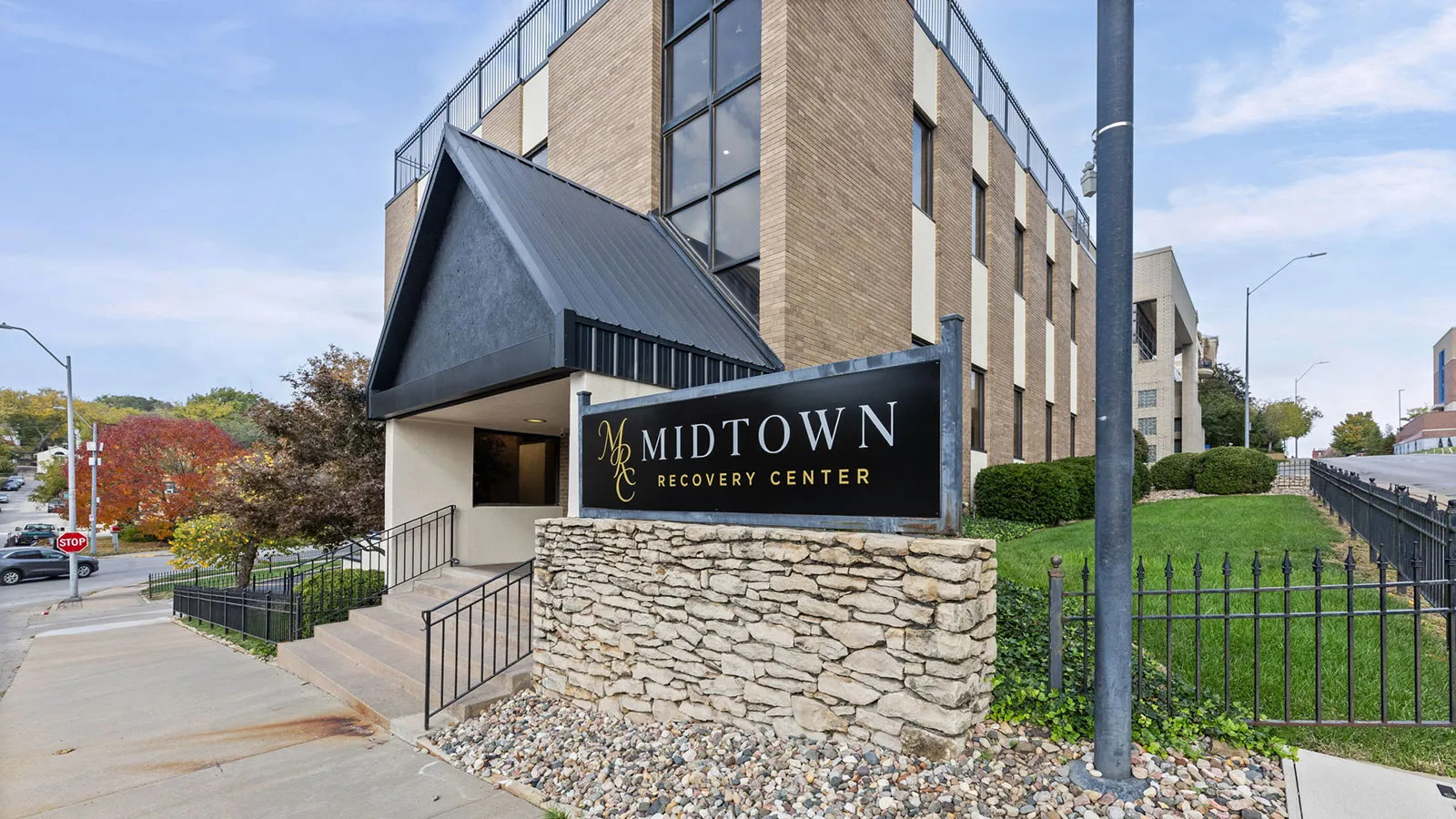
Detox and treatment are two separate stages with two separate providers, so a little planning up front keeps the handoff smooth. Here are the practical details.
What Happens When You Call
Reaching out for help takes courage. Knowing what happens next can make that much easier. Admissions is available 24/7, so you can call at any hour. A member of our team answers your questions and walks you through each step.
Here’s what the process looks like:
- The call: We listen to your situation and answer questions about our programs.
- Your assessment: We ask about your substance use, health, and mental health. This helps us recommend the right level of care.
- Insurance verification: We check your benefits, so you know where you stand before you start. We work with all major commercial insurance companies.
- Your plan: We go over your recommended program and next steps together.
Same-day admission may be available once we verify your insurance and complete the initial assessment. Since every situation differs, we tell you what’s possible when we speak.
Just finished detox? Let us know. We help you plan your move into treatment so your progress keeps going. Ready to take the next step today? Call us anytime, or use the Verify Insurance button to check your benefits.
Keeping Your Job
Detox takes you out of work for about a week, and PHP runs during the day for four to six weeks after that, so many people take medical leave for this stretch. If you qualify for job-protected leave through your employer, treatment for a substance use disorder may be covered, and your employer does not need to know the details.
Once you reach IOP, the evening track, 5:30 pm to 8:30 pm, lets you go back to a daytime job. Your privacy is protected by federal confidentiality rules for substance use treatment, and Midtown will not disclose that you are in treatment without your written consent.
Getting There
Your detox provider will be at their own location. Once you finish and start with us, treatment takes place at Midtown Recovery Center, 1000 W 46th Street in Kansas City, Missouri, a two-story standalone building with three group rooms, private offices, and a client lounge. Ask admissions for directions when you call.
Paying for Treatment in Kansas City
Worrying about cost keeps many people from reaching out. Fortunately, you have options, and we walk you through them early. We work with all major commercial insurance companies, including Aetna and United Healthcare.
Coverage depends on your plan, which means verifying your benefits is the first step. Call us or use the Verify Insurance button, and we’ll help you understand what your plan covers before you start.
Here’s what to keep in mind:
- Commercial insurance: Verification shows what your plan covers for our programs.
- Medicaid and Medicare: We don’t accept these plans.
- Payment plans: Available, so care stays manageable.
- Private pay: Rates are provided on request.
Note: Detox is a separate stage with its own costs. Your detox provider can explain what they charge and what your plan covers. Keeping the two apart helps you plan, so you aren’t surprised later.
If you live in Kansas City, Missouri, or nearby Jackson County, we’re close by. Still unsure how to pay for care? Just ask us! We’ll answer your questions honestly and help you find a realistic path forward.
Phones, Family Contact, and Missed Sessions
Rules during detox are set by your detox provider, and many limit phone use and visitors for the first few days. Ask them before you go in.
If you need to miss a session, let your care team know as soon as you can so they can adjust your plan and catch you up. Your treatment team goes over attendance expectations with you at intake, including how missed sessions affect your timeline.
With your written permission, your care team can keep a named family member updated on how treatment is going. Phone use during program hours is covered in your intake orientation.
Supporting a Loved One Through Detox and Afterward

Watching someone you love struggle with substance use disorders is painful. You want to help, of course, but you may not know how or where to begin.
Start by listening without lecturing. Offer practical help, such as researching detox providers or going over next steps together. On the other hand, checking their phone or demanding promises tends to backfire. Policing pushes people away, so steady encouragement works better.
Boundaries matter too. For instance, you can decide what you will and won’t do, then share that calmly. Boundaries protect you, and they show your loved one that you take recovery seriously.
How to Support Without Policing
Checking phones, counting pills, or questioning every outing usually backfires. It breeds secrecy and turns the house into a place of surveillance rather than support. Try this instead:
- Ask how the day went, and listen without steering the conversation toward whether they used.
- Notice effort as well as results. Showing up to every session this week is worth saying out loud.
- Set boundaries about your own behavior, not theirs: what you will and will not do, stated calmly and kept.
- Bring your worries to a family session rather than confronting them at home in the moment.
Family Sessions at Midtown
Family sessions are part of our program, and they can be held up to once a week. Your loved one’s treatment team arranges them and helps decide who should take part. They help you understand addiction, practice honest communication, and rebuild trust. After the program, Midtown’s family group, part of our aftercare, offers continued support.
Living Together After Detox
Your home setting matters most during early recovery. Consider removing alcohol from the house, for starters. Learn the warning signs of relapse, such as pulling away, mood swings, or skipped sessions. If you notice them, talk early and stay calm.
Don’t forget yourself, either. Our family group, part of aftercare, connects you with others who understand. Support groups like this make the long road feel less lonely.
Aftercare and Relapse Prevention

Finishing a treatment program is quite the milestone. Recovery keeps going even after it ends, though, so we plan your aftercare early. That way, you leave with support already in place.
Our aftercare includes:
- Alumni groups: Connect you with others who have walked the same road
- Family groups: Give your loved ones a place to share and learn
- Local sober living relationships: Help you find a stable, substance-free home if you need one
Many people also step down from PHP to IOP to outpatient services, then continue with alumni support.
More importantly, relapse prevention runs in parallel with aftercare. Together, we map out your triggers, build coping skills, and decide what to do when your cravings spike. Since the latter can return months later, having a plan to fall back on can help.
Support groups help, too. Hearing from people in group therapy who are further along reminds you that setbacks are survivable. If you slip, call us. A setback doesn’t erase your progress, and we can always help you get back on track.
FAQs
How long does medical detox take?+−
Most people stay several days to about a week. The length depends on the substance, how long you used it, and your health. Your detox team sets the timeline with you.
Does Midtown offer medical detox in Kansas City?+−
No, but we can easily refer you to a detox provider, then help you move into our step-down programs once you finish.
Can I start IOP right after detox?+−
Often, yes, but your assessment decides as such. Some people begin with PHP for more daily structure, then step down to IOP. We recommend the level that fits your needs.
Can I work during IOP?+−
Yes. Our evening track runs from 5:30 pm to 8:30 pm, which means you can keep your job or stay in school during the day.
Does Midtown offer medication-assisted treatment?+−
Yes. We offer Suboxone, Sublocade, and Vivitrol, alongside counseling.
Does insurance cover treatment at Midtown?+−
We work with all major commercial insurance companies. Coverage depends on your plan, so verify your benefits with us first. We don’t accept Medicaid or Medicare.
We Accept Most Major Insurance Plans
Don't let cost be a barrier to recovery. Most treatment is covered by insurance.
Our Team
Medical Director
MD
Clinical Director
LCSW
Admissions Coordinator
Start Your Recovery Today — Same Day Admissions Available
24/7 Admissions Support